हमारे उत्कृष्ट उत्पाद

ऑप्टिकल लेंस एक ऑप्टिकल घटक है जो ऑप्टिकल इमेजिंग सिस्टम का एक मुख्य घटक है, जिसका उपयोग स्पष्ट छवियां बनाने के लिए प्रकाश पर ध्यान केंद्रित करने के लिए किया जाता है। ऑप्टिकल लेंस का मुख्य कार्य ऑप्टिकल सिद्धांतों के माध्यम से प्रकाश का सटीक नियंत्रण प्राप्त करना है, जिससे उच्च गुणवत्ता वाली छवि अधिग्रहण और प्रसंस्करण प्राप्त होता है। ऑप्टिकल लेंस का मुख्य कार्य ऑप्टिकल इमेजिंग है।
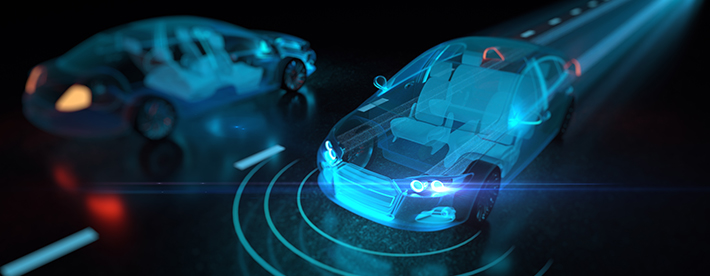
ऑटोमोटिव-ग्रेड कैमरा लेंस
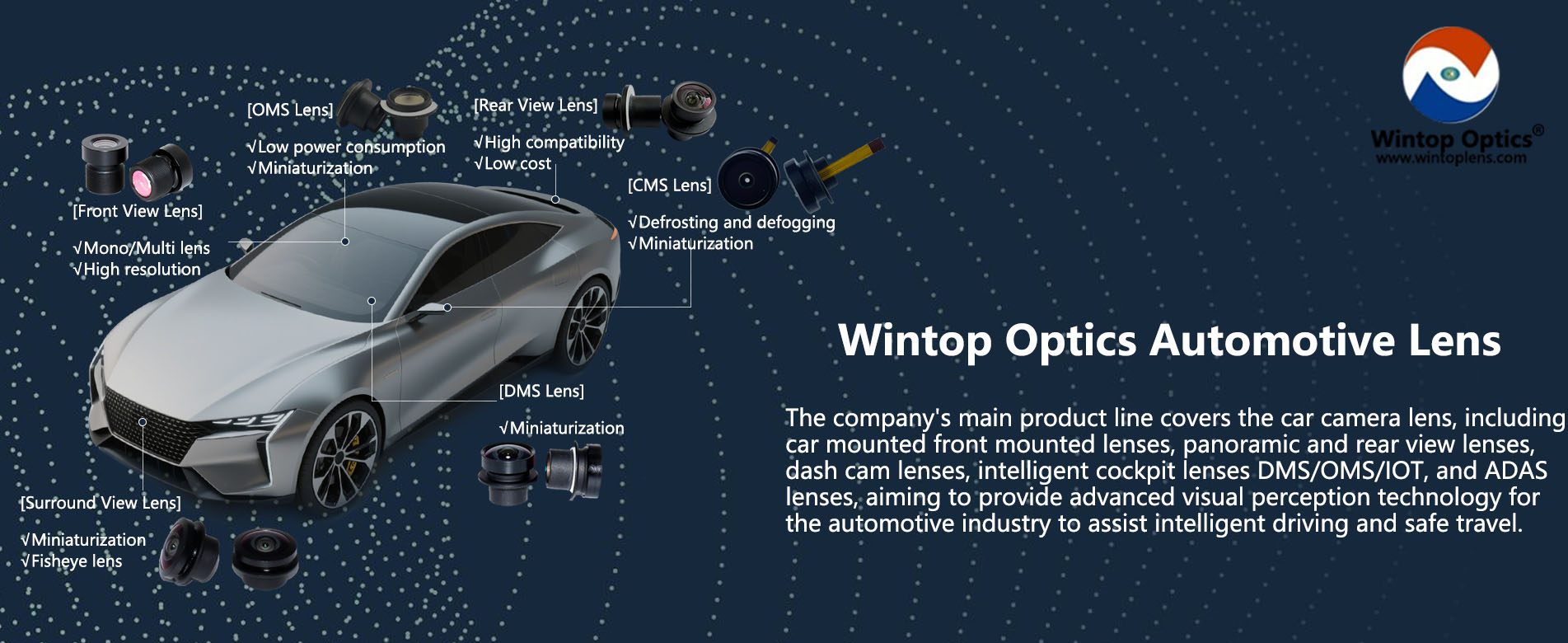
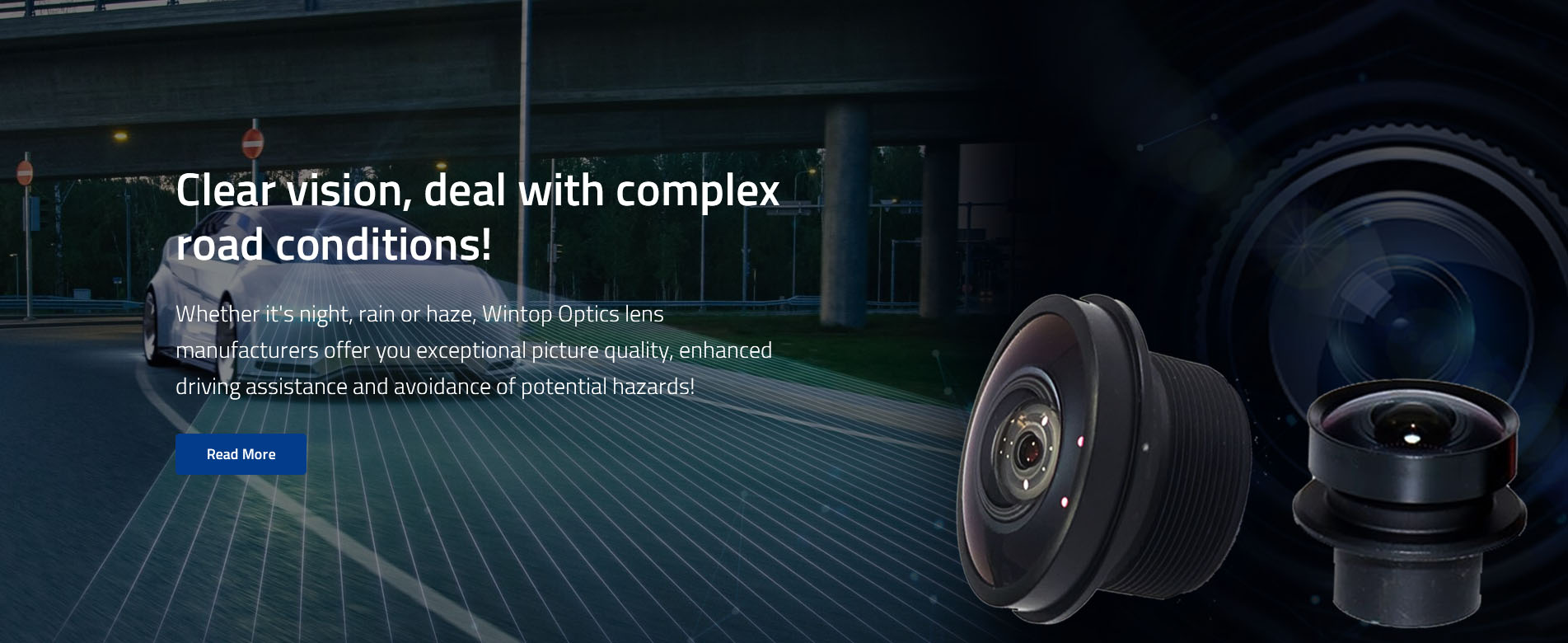
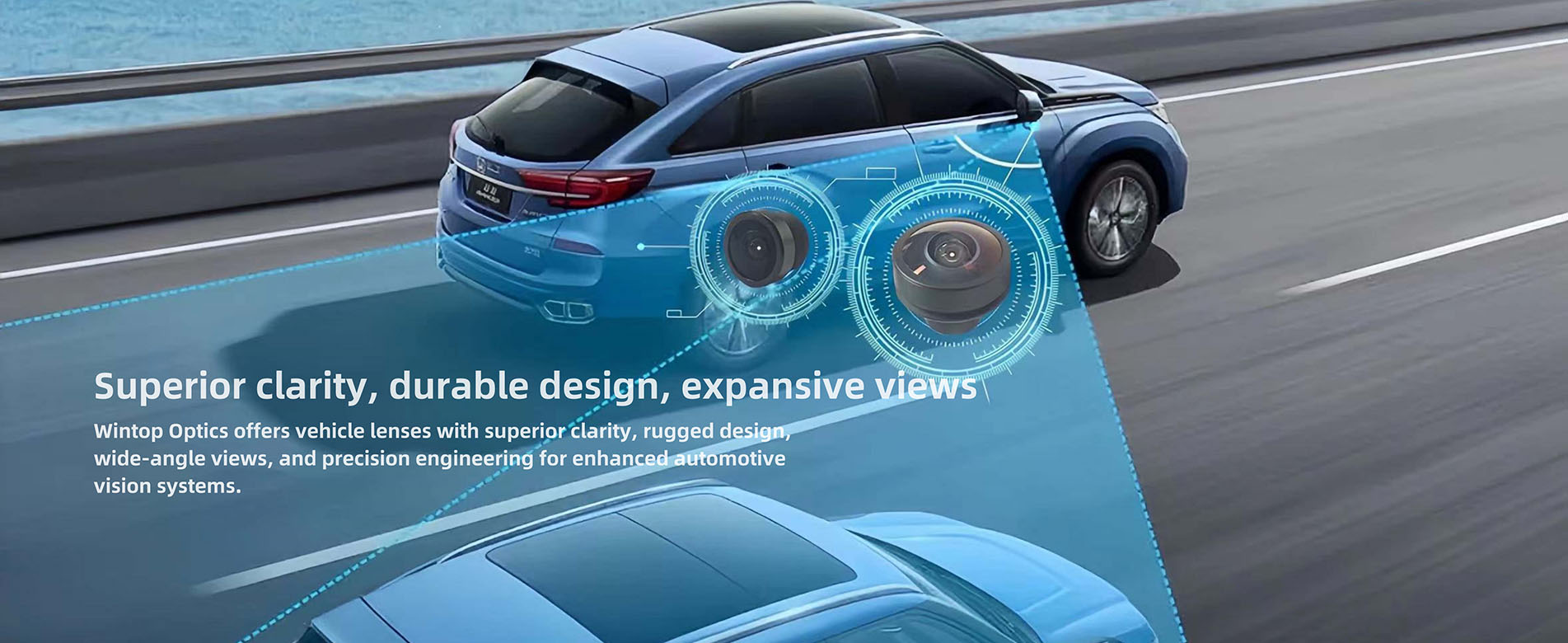
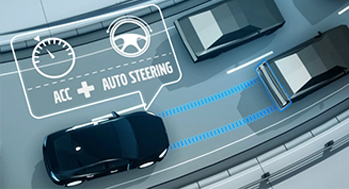
विंटॉप ऑप्टिक्स के ऑटोमोटिव-ग्रेड कैमरा लेंस IATF 16949/TS 16949 गुणवत्ता प्रबंधन प्रणाली मानकों के अनुपालन में डिजाइन और निर्मित किए गए हैं, जो उच्च और निम्न तापमान, कंपन और आर्द्रता जैसी चरम स्थितियों के तहत स्थिर और विश्वसनीय प्रदर्शन सुनिश्चित करने के लिए कठोर गुणवत्ता नियंत्रण प्रक्रियाओं से गुजरते हैं। इसके अलावा, विंटॉप ऑप्टिक्स के ऑटोमोटिव-ग्रेड कैमरा लेंस को अग्रणी वैश्विक वाहन निर्माताओं द्वारा उनके ADAS, सराउंड-व्यू और इंटेलिजेंट कॉकपिट समाधानों में व्यापक रूप से अपनाया गया है, जो उच्च परिशुद्धता दृश्य इनपुट और भरोसेमंद सुरक्षा आश्वासन प्रदान करते हैं।
और पढ़ें
सामने का दृश्य लेंस
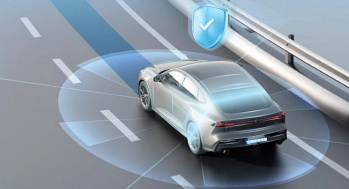
विंटॉप ऑप्टिक्स के वाहनों के लिए फ्रंट-व्यू कैमरा लेंस में स्वतंत्र रूप से विकसित बहु-परत लेपित लेंस और एक अनुकूलित ऑप्टिकल डिजाइन को अपनाया गया है, जो उच्च संवेदनशीलता और कम विरूपण प्रदान करता है। यह मजबूत बैकलाइट या कम रोशनी और रात की परिस्थितियों में भी स्पष्ट छवियों को कैप्चर करता है, जो आगे की दृष्टि प्रदर्शन के लिए ADAS प्रणालियों की कठोर आवश्यकताओं को पूरा करता है। इसके अतिरिक्त, फ्रंट-व्यू कैमरा लेंस को CMS/OMS प्लेटफ़ॉर्म के साथ गहराई से एकीकृत किया जा सकता है, जिससे ब्लाइंड स्पॉट वार्निंग, बाधा पहचान और लेन मार्किंग पहचान जैसे कार्य संभव हो जाते हैं। यह एकीकरण वाहनों को विश्वसनीय फ़ॉरवर्ड विज़न इनपुट प्रदान करता है, जिससे बुद्धिमान ड्राइविंग में मदद मिलती है और सुरक्षा में वृद्धि होती है।
और पढ़ें
रियर व्यू लेंस
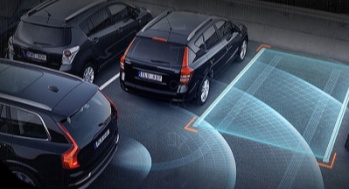
विंटॉप ऑप्टिक्स के वाहन रियर-व्यू कैमरा लेंस, मालिकाना बहु-परत कोटिंग और अनुकूलित ऑप्टिकल संरचना तकनीकों का उपयोग करते हैं, जो छवि संवेदनशीलता को प्रभावी ढंग से बढ़ाते हैं और साथ ही विरूपण, चमक और भटके हुए प्रकाश को दबाकर एक स्पष्ट रियर व्यू प्रदान करते हैं। ये लेंस ड्राइवरों को रिवर्सिंग और पार्किंग के लिए सटीक दृश्य सहायता प्रदान करते हैं। इन्हें उन्नत ड्राइवर सहायता प्रणालियों (ADAS) जैसे ब्लाइंड स्पॉट डिटेक्शन, ऑब्सटेकल डिटेक्शन और सराउंड व्यू सिस्टम के साथ भी गहराई से एकीकृत किया जा सकता है, जिससे ड्राइविंग सुरक्षा और सुविधा में सुधार होता है।विंटॉप ऑप्टिक्स ने कई विश्व-प्रसिद्ध ओईएम को बड़े पैमाने पर उत्पादित रियर-व्यू कैमरा समाधान प्रदान किए हैं, जिनका उपयोग यात्री कारों, वाणिज्यिक वाहनों और विशेष वाहनों में किया जाता है। कंपनी विभिन्न उद्योगों में ग्राहकों की विविध आवश्यकताओं को पूरा करने के लिए, विभिन्न प्रकार के फील्ड-ऑफ-व्यू विकल्पों, इन्फ्रारेड फ़िल्टर वाले नाइट विज़न लेंस और एए (एक्टिव अलाइनमेंट) एडहेसिव असेंबली प्रक्रियाओं सहित अनुकूलित सेवाएँ भी प्रदान करती है।
और पढ़ें
सराउंड व्यू लेंस
सराउंड-व्यू प्रणाली कई अल्ट्रा-वाइड-एंगल M12 फिशआई लेंसों का उपयोग करती है, जो उन्नत इमेज स्टिचिंग और फ्यूजन एल्गोरिदम के साथ मिलकर वाहन के चारों ओर एक निर्बाध 360° बर्ड्स-आई दृश्य प्रदान करते हैं, जिसमें ब्लाइंड-स्पॉट चेतावनी और बाधा पहचान जैसे ADAS कार्यों का गहन एकीकरण होता है। 60 से ज़्यादा यूटिलिटी-मॉडल पेटेंट और 200 से ज़्यादा लेंस मॉडल के उत्पाद पोर्टफोलियो के साथ, विंटॉप ऑप्टिक्स विभिन्न प्रकार के वाहनों और एप्लिकेशन आवश्यकताओं को पूरा करने के लिए अत्यधिक अनुकूलित सराउंड-व्यू कैमरा लेंस समाधान प्रदान करता है। इसके उत्पादों ने TS16949, ISO 9001 और ISO 14001 अंतर्राष्ट्रीय गुणवत्ता प्रबंधन प्रणाली प्रमाणन प्राप्त किए हैं, जो ऑटोमोटिव उद्योग के कड़े मानकों का अनुपालन करने वाली स्थिर और नियंत्रणीय गुणवत्ता सुनिश्चित करते हैं।
और पढ़ें
इन-केबिन लेंस
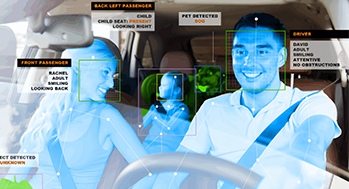
विंटॉप ऑप्टिक्स के इन-केबिन ऑटोमोटिव कैमरा लेंस बुद्धिमान कॉकपिट के लिए उच्च-सटीक मल्टीमॉडल धारणा क्षमताएं प्रदान करते हैं, जो ड्राइवर मॉनिटरिंग सिस्टम (डीएमएस) और ऑक्यूपेंट मॉनिटरिंग सिस्टम (ओएमएस) की जटिल आवश्यकताओं को संबोधित करने के लिए उन्नत इमेजिंग तकनीकों को बुद्धिमान एल्गोरिदम के साथ एकीकृत करते हैं। मल्टीस्पेक्ट्रल इमेजिंग तकनीक (आरजीबी-आईआर और शॉर्ट-वेव इंफ्रारेड सहित) का लाभ उठाते हुए, ये कैमरे सभी प्रकाश स्थितियों में विश्वसनीय संचालन सुनिश्चित करते हैं, थकान पहचान, टकटकी ट्रैकिंग और यात्री सुरक्षा निगरानी जैसे रहने वाले व्यवहारों का स्पष्ट पता लगाते हैं - यहां तक ​​​​कि कम रोशनी, बैकलिट या प्रतिकूल मौसम परिदृश्यों में भी।
और पढ़ें
सीएमएस लेंस
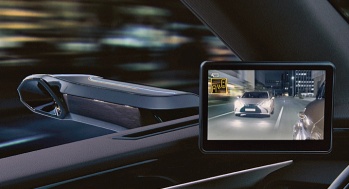
कोटिंग तकनीक और डिज़ाइन अनुकूलन के माध्यम से, विंटॉप के कार कैमरा लेंस छवियों की संवेदनशीलता में सुधार कर सकते हैं, छवि विरूपण को प्रभावी ढंग से कम कर सकते हैं, और इमेजिंग पर चकाचौंध और भटकती रोशनी के प्रभाव को कम कर सकते हैं। यह पारंपरिक धातु रियरव्यू मिरर को कैमरों और स्क्रीन से बदल देता है। सिद्धांत बहुत सरल है। कैमरा कार के पीछे की छवि को कैप्चर करता है, इसे हार्डवेयर और सॉफ़्टवेयर सिस्टम के माध्यम से संसाधित करता है, और इसे स्क्रीन पर प्रदर्शित करता है, जिससे चालक कार के पीछे की वास्तविक समय की छवि देख सकता है। उसी समय, सीएमएस ब्लाइंड स्पॉट चेतावनी और बाधा चेतावनी जैसे कार्यों को एकीकृत कर सकता है, उन्नत ड्राइवर सहायता प्रणाली (ADAS) के विकास को बढ़ावा देता है।
और पढ़ें
कार डीवीआर लेंस
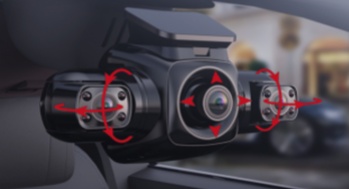
ड्राइविंग रिकॉर्डर लेंस (जिसे डीवीआर/डैशकैम लेंस भी कहा जाता है) एक कैमरा लेंस है जो वाहन की यात्रा के दौरान छवियों, ध्वनियों और अन्य पहलुओं से संबंधित जानकारी रिकॉर्ड करता है। ड्राइविंग रिकॉर्डर लेंस लगाने के बाद, यह कार चलाने की पूरी प्रक्रिया की वीडियो छवियों और ध्वनियों को रिकॉर्ड कर सकता है, जिससे यातायात दुर्घटनाओं के साक्ष्य मिलते हैं। ड्राइविंग रिकॉर्डर लेंस मोटर वाहन दुर्घटना से पहले चालक की संचालन प्रक्रिया को वस्तुनिष्ठ रूप से रिकॉर्ड कर सकता है, जिससे दुर्घटना से पहले, उसके दौरान और बाद में चालक द्वारा की गई विभिन्न प्रतिक्रियाओं के साथ-साथ बाहरी वातावरण में होने वाले परिवर्तनों को भी प्रभावी ढंग से रिकॉर्ड किया जा सकता है।
और पढ़ें
  • 19
    0+ Years

    अनुसंधान एवं विकास और उत्पादन अनुभव

  • 200
    0+ Items

    लेंस मॉडल

  • 1000
    0+

    सहयोग भागीदार

  • 15000
    0+

    फ़ैक्टरी क्षेत्र(㎡)

हमारे बारे में

पेशेवर ऑप्टिकल लेंस समाधान प्रदाताओं में से एक, "विंटॉप ऑप्टिक्स" एक ज़िम्मेदार और विश्वसनीय निर्माता है जो लेंसों के अनुसंधान एवं विकास, उत्पादन और बिक्री के लिए 19 वर्षों से भी अधिक के अनुभव के साथ समर्पित है। विंटॉप का अनुसंधान एवं विकास केंद्र अगस्त 2006 में शेन्ज़ेन में स्थापित किया गया था और इसका विनिर्माण केंद्र हुआंगमेई, हुबेई में 15,000 वर्ग मीटर के क्षेत्र में स्थित है। विंटॉप ऑप्टिक्स, हुबेई युनताई टाइम्स ऑप्टिकल इंस्ट्रूमेंट कंपनी लिमिटेड की एक सहायक कंपनी है।

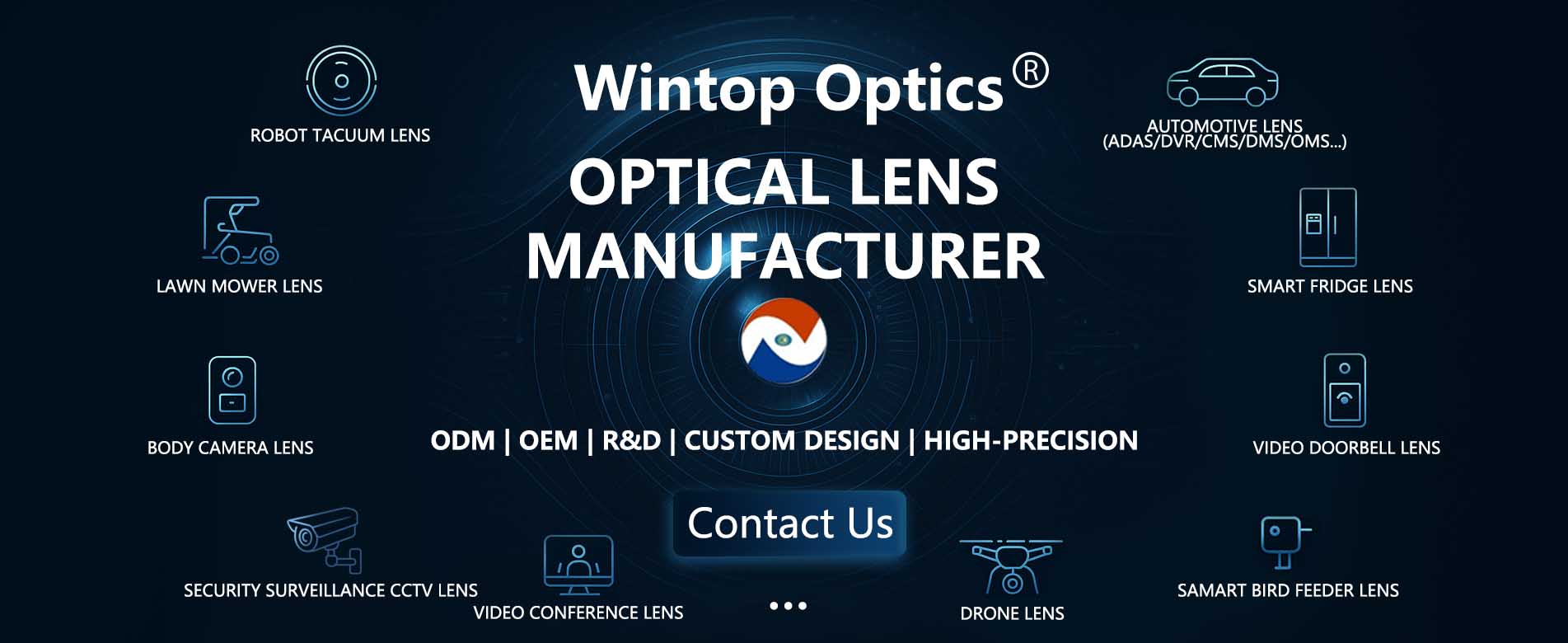
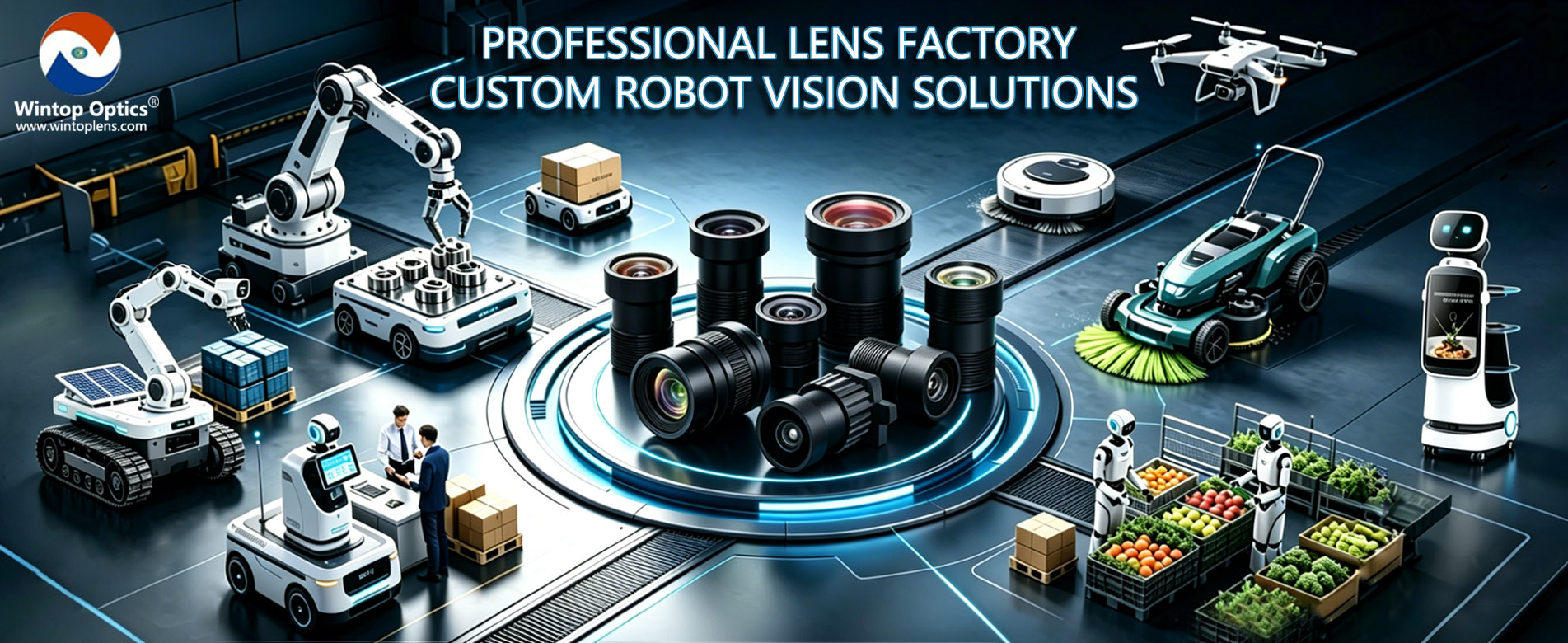
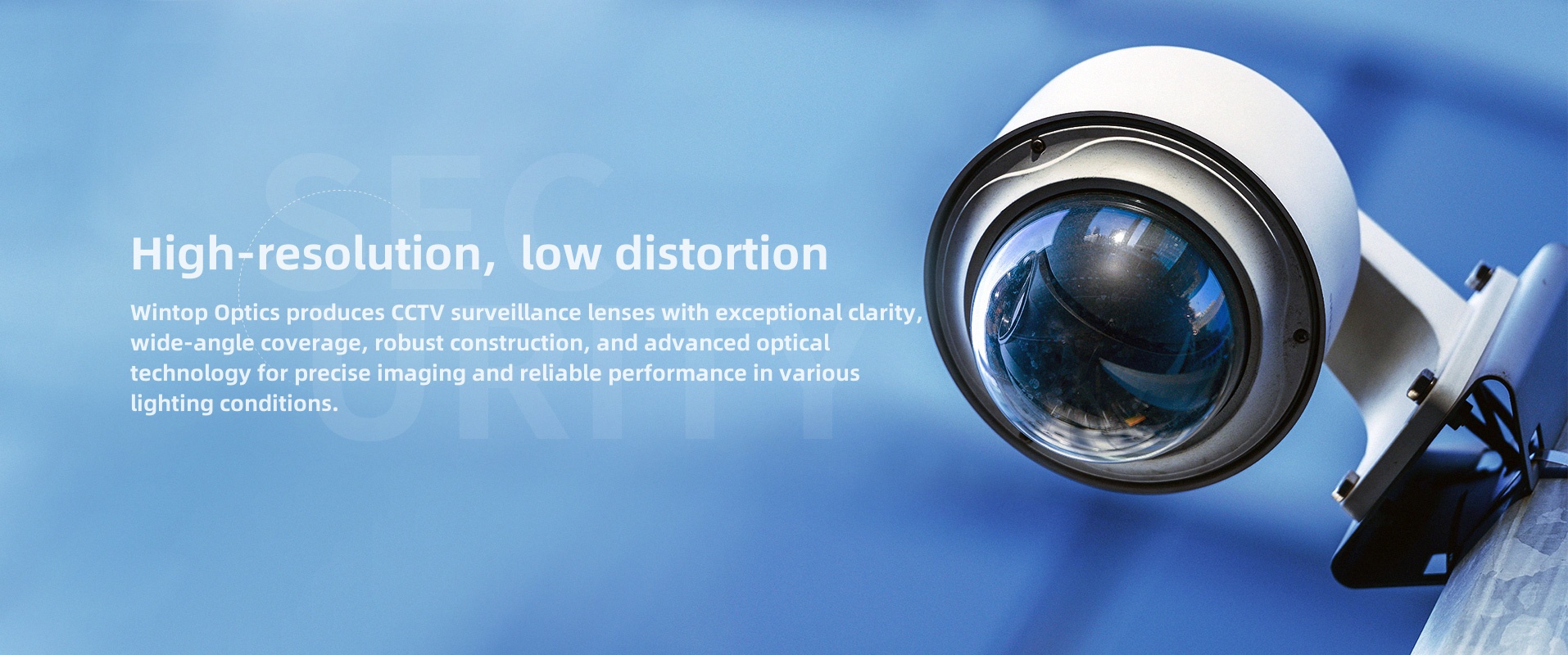
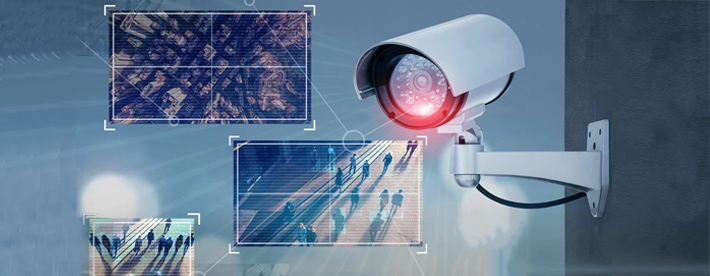
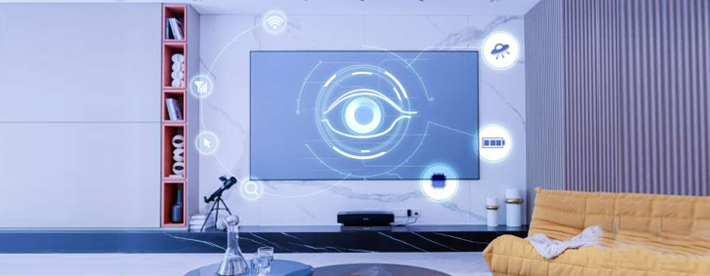
विंटॉप ऑप्टिक्स की अपनी स्वतंत्र ऑप्टिकल सिस्टम विकास और डिज़ाइन टीम है, जिसका चीन के प्रसिद्ध विश्वविद्यालयों के वरिष्ठ ऑप्टिकल सलाहकारों के साथ दीर्घकालिक सहयोग है। इसके उत्पाद मुख्य रूप से उच्च-स्तरीय इमेजिंग क्षेत्रों में उपयोग किए जाते हैं, जैसे ऑटोमोटिव मॉनिटरिंग कैमरा लेंस, कार डीवीआर लेंस, वाहन एडीएएस/सीएमएस/ओएमएस लेंस, सुरक्षा निगरानी सीसीटीवी लेंस, इंटेलिजेंस होम डिवाइस लेंस, कम विरूपण वाले स्पोर्ट कैमरा लेंस, फेस रिकग्निशन लेंस और वाइड एंगल फिशआई लेंस आदि।

और पढ़ें
24 घंटे सेवा ऑनलाइन 86 153-0268-9906

कारखाना

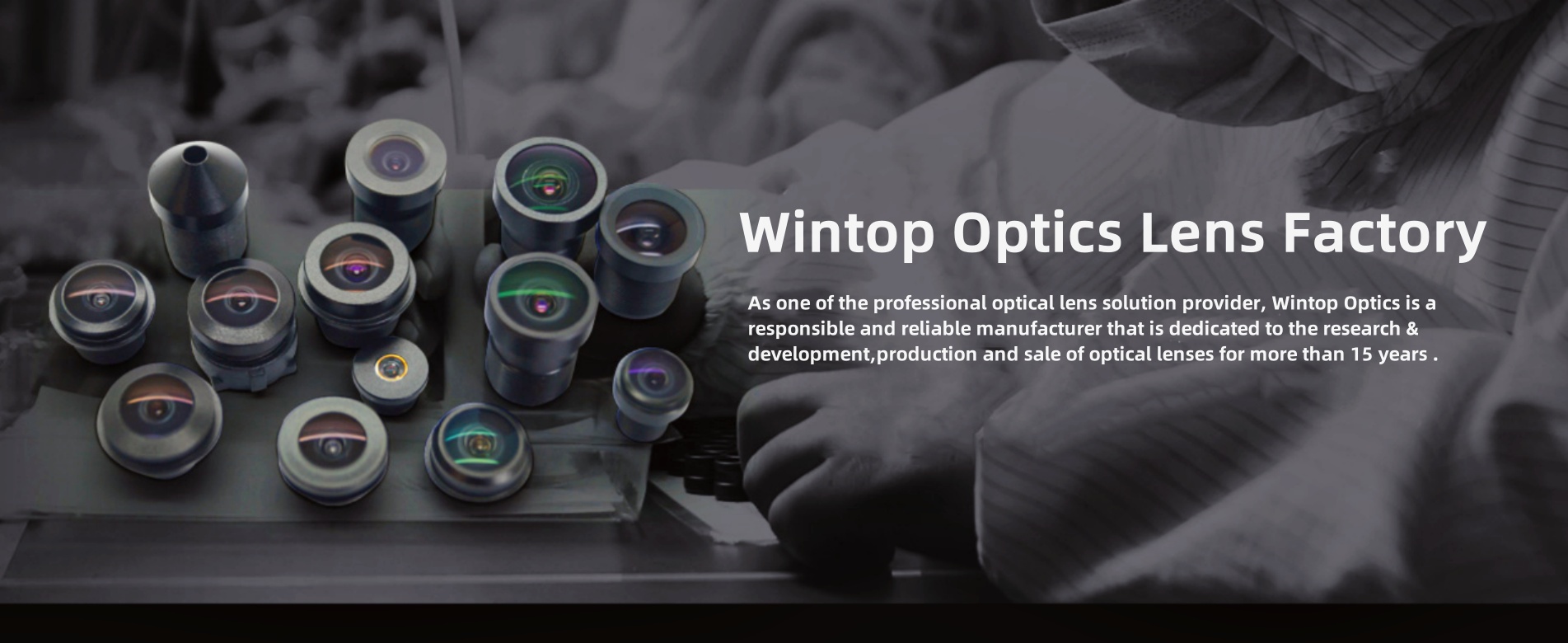
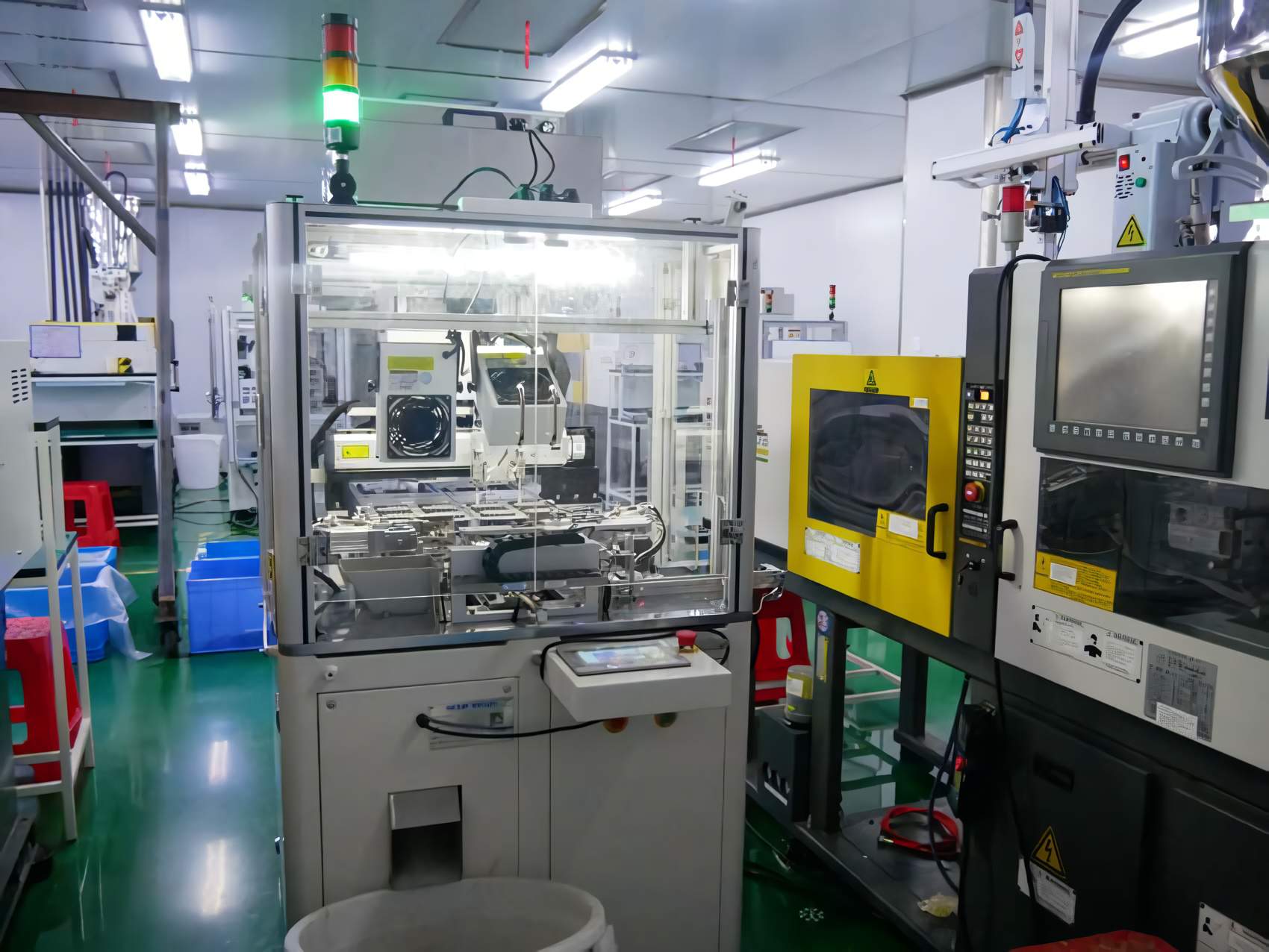
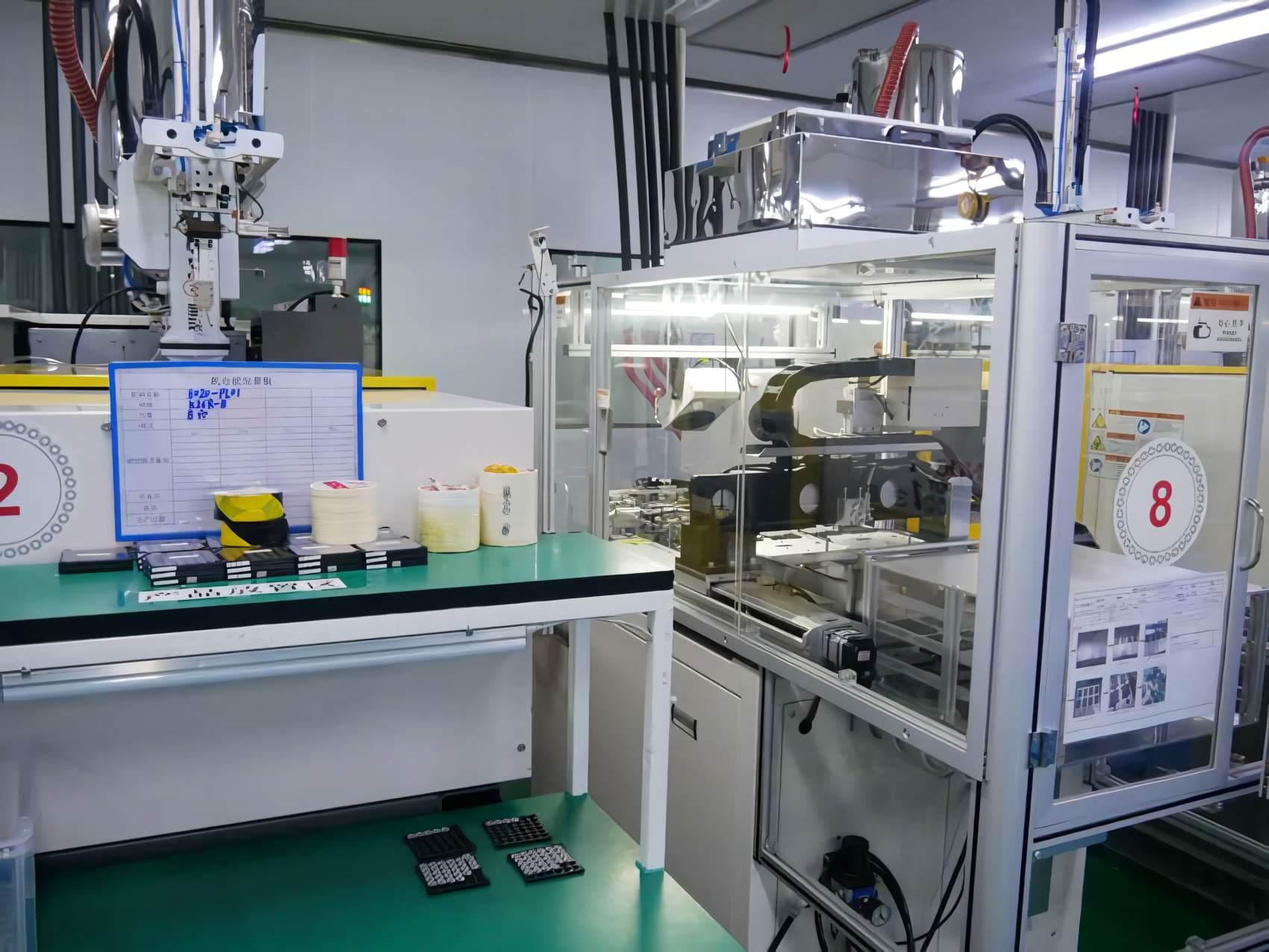
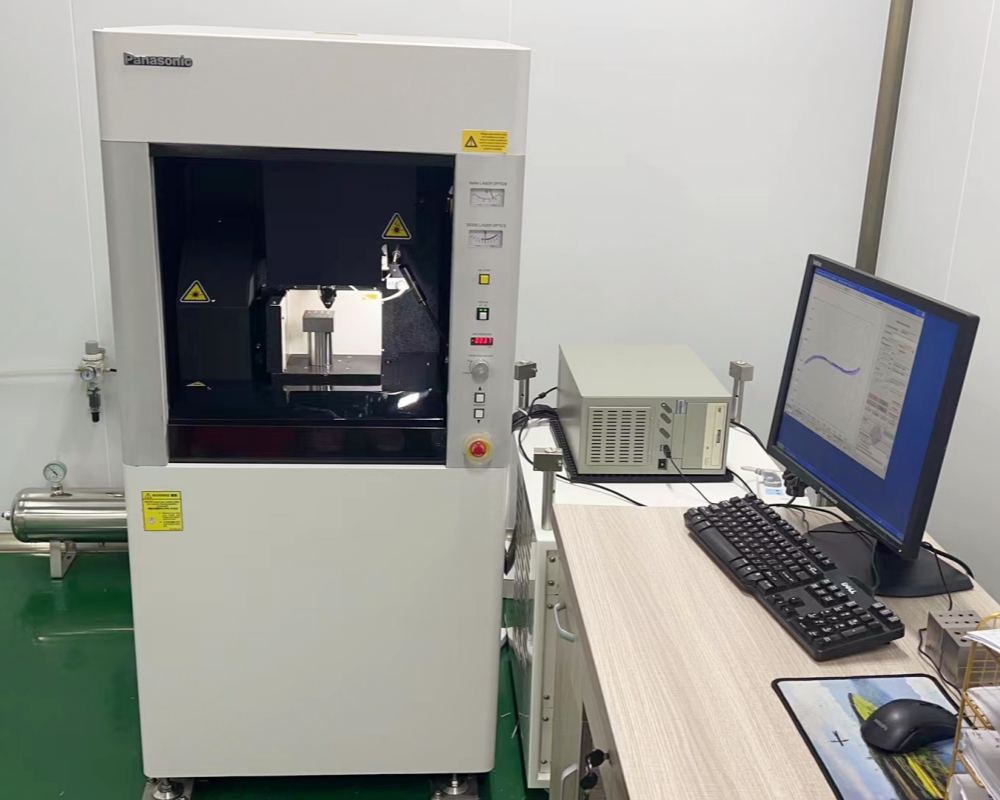
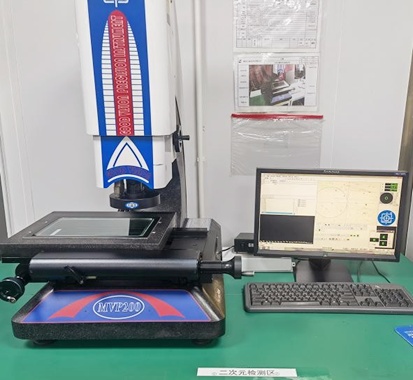
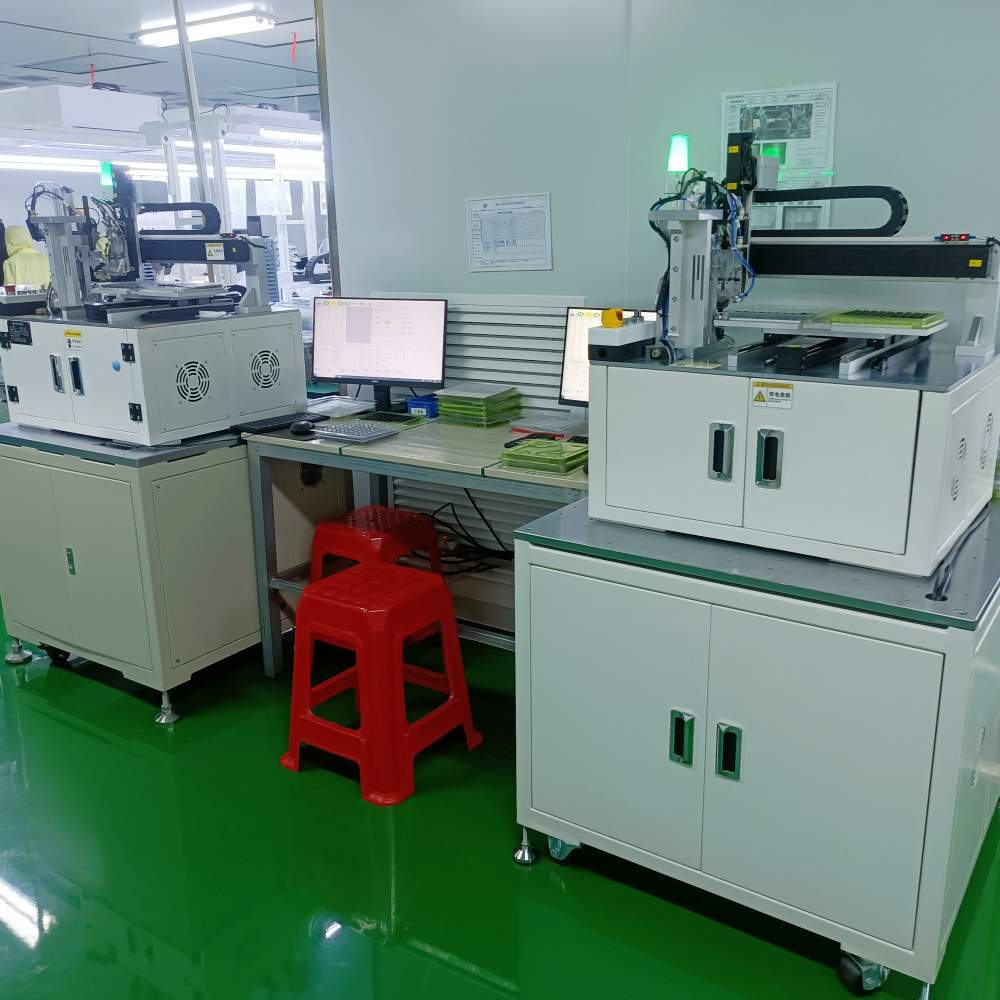
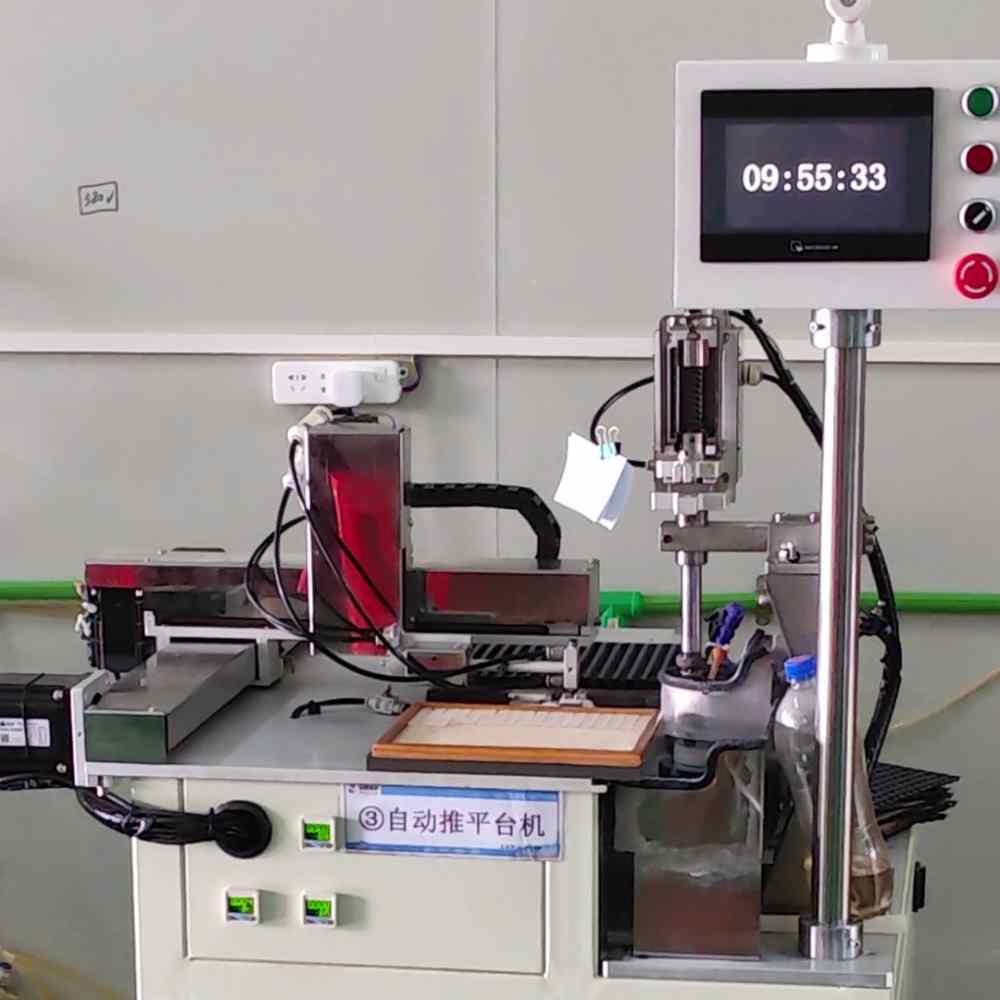
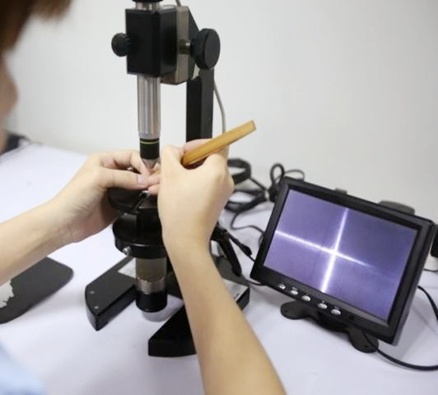
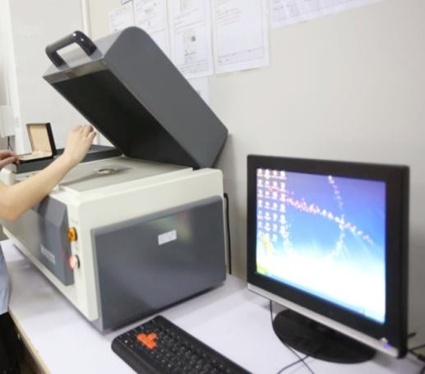
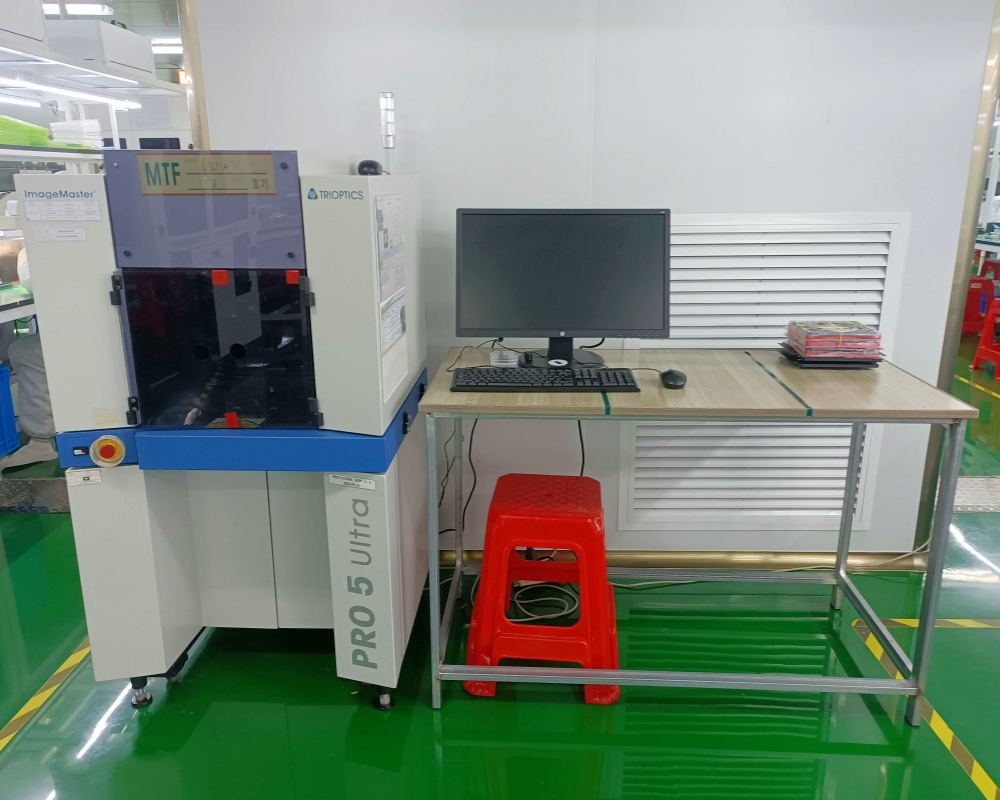
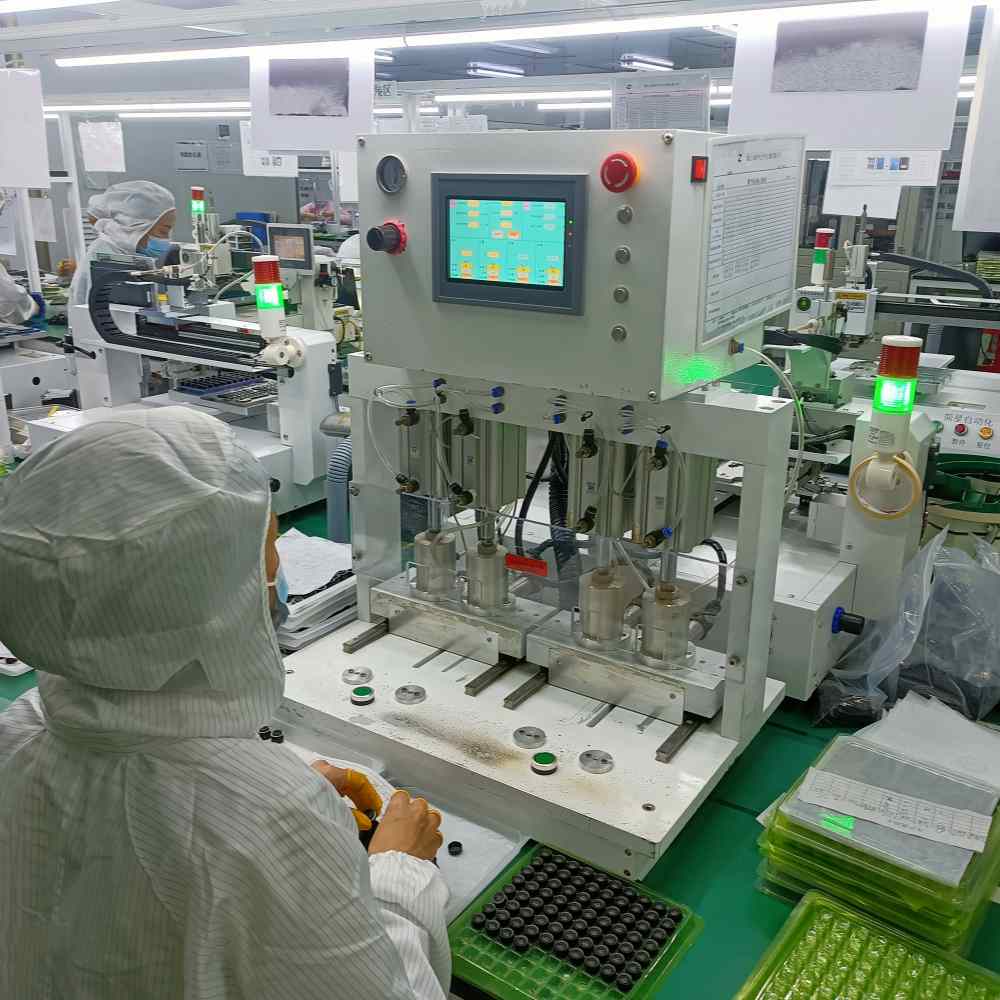
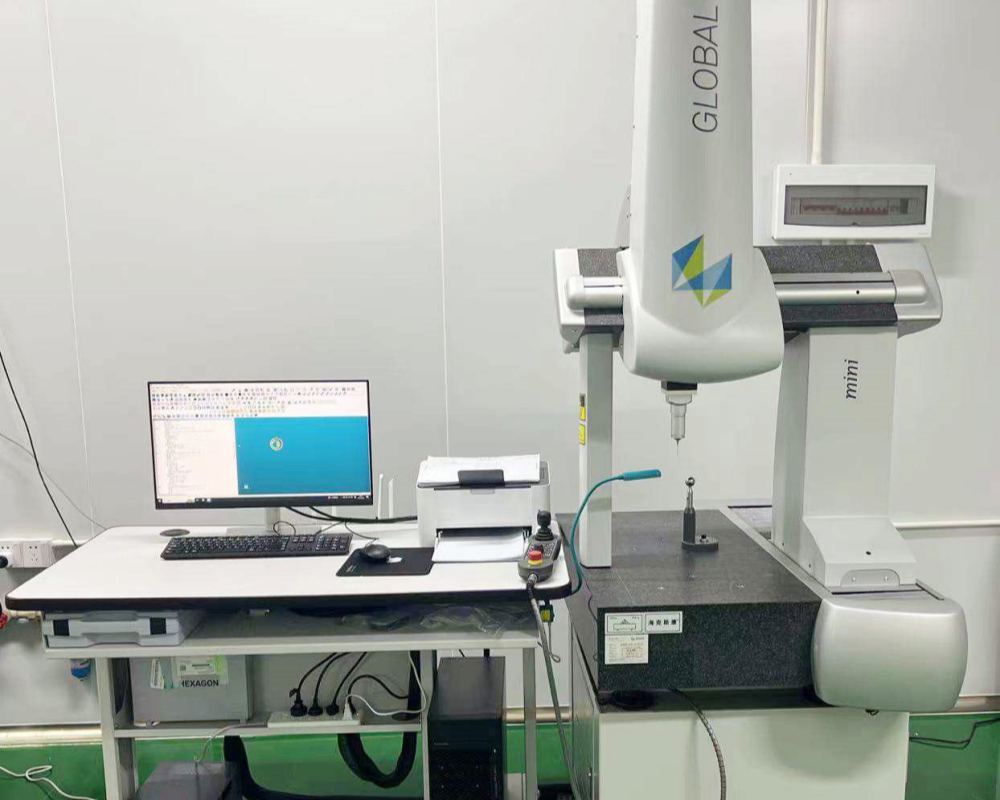
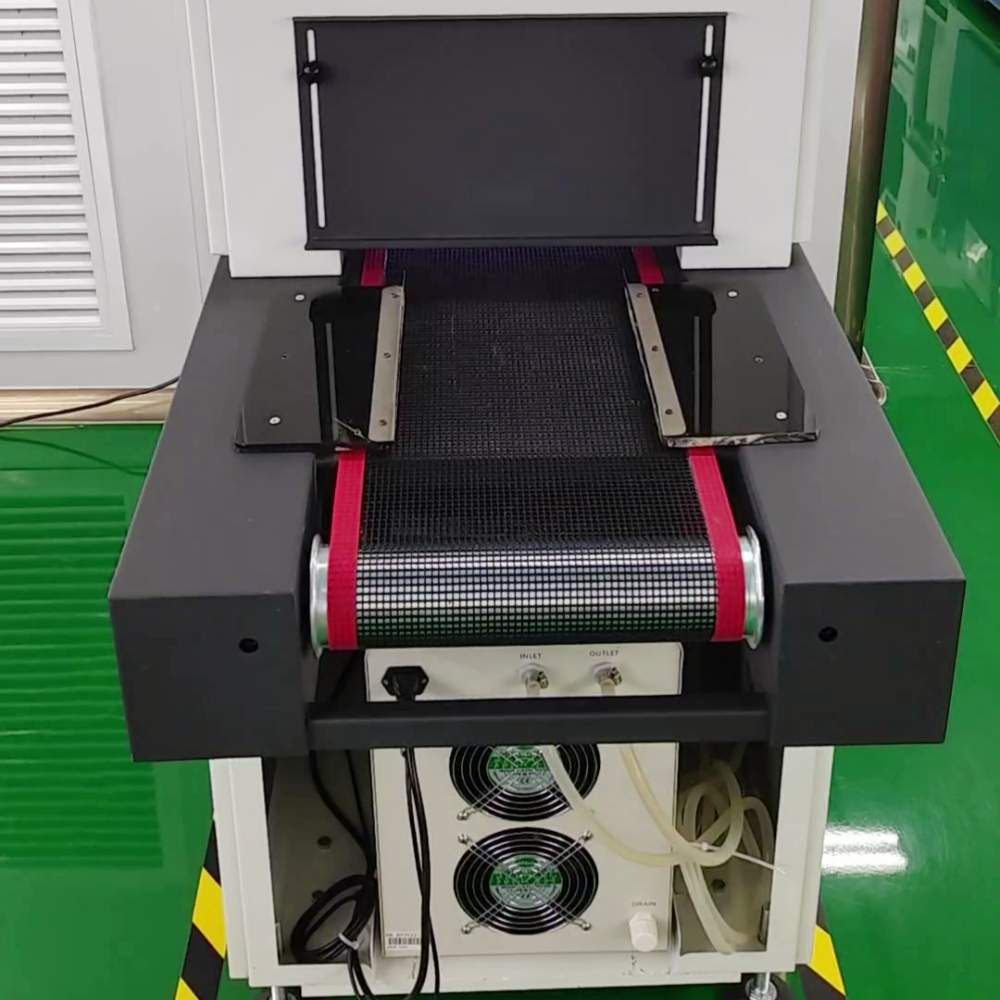
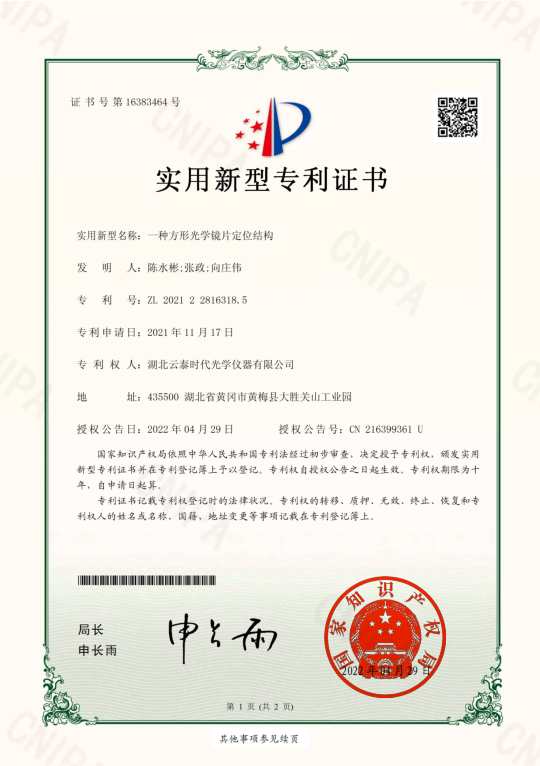
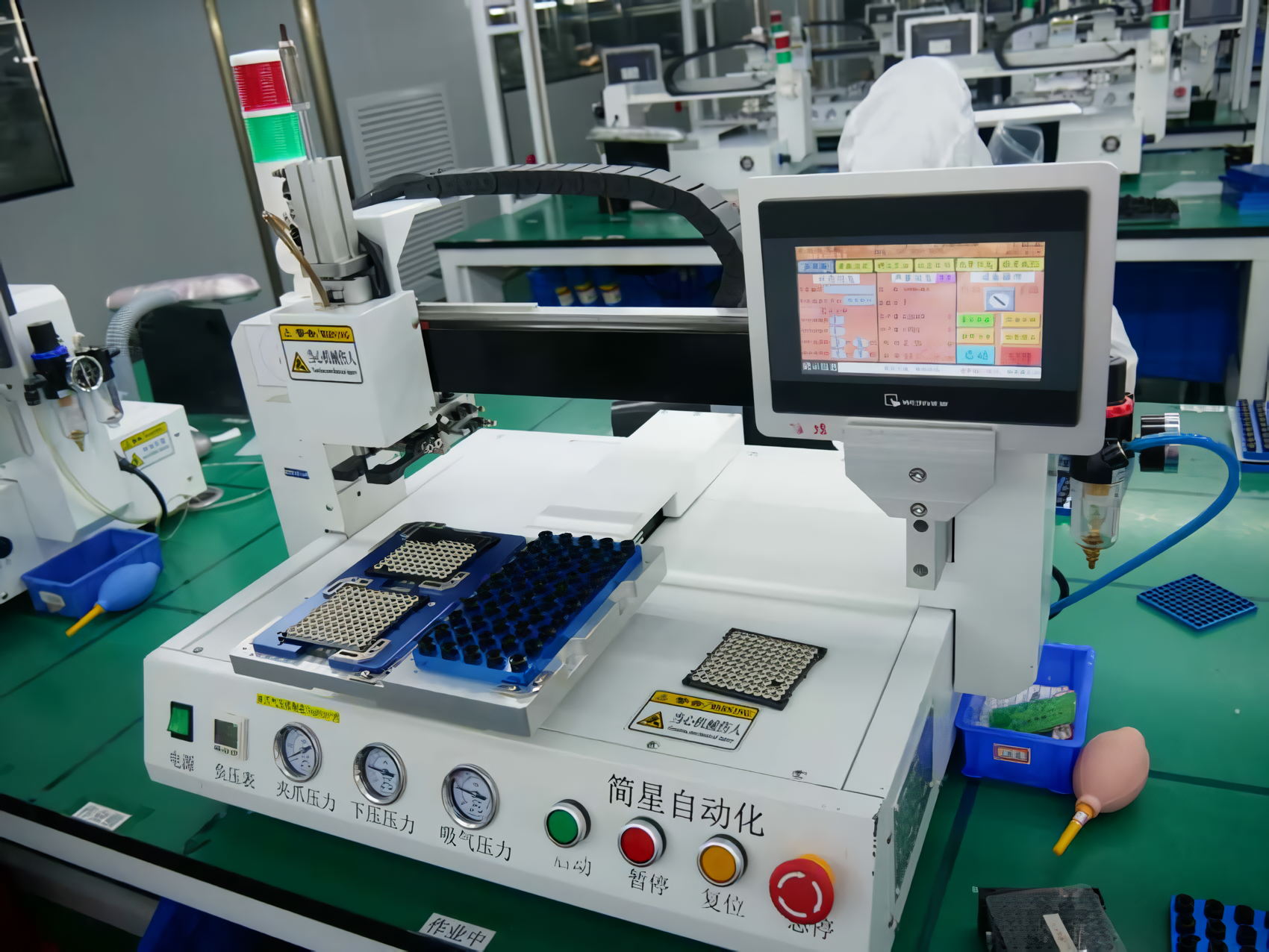
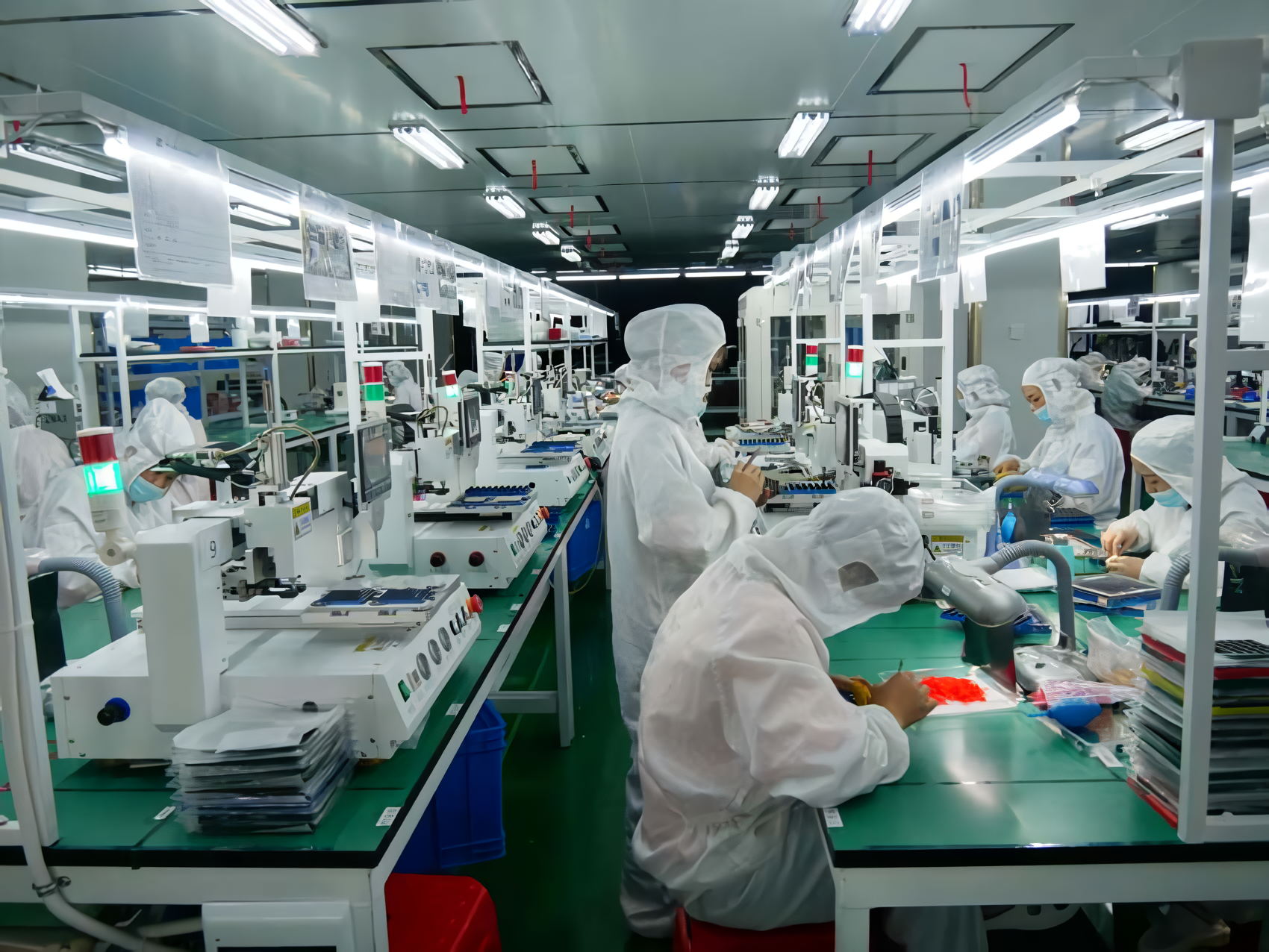
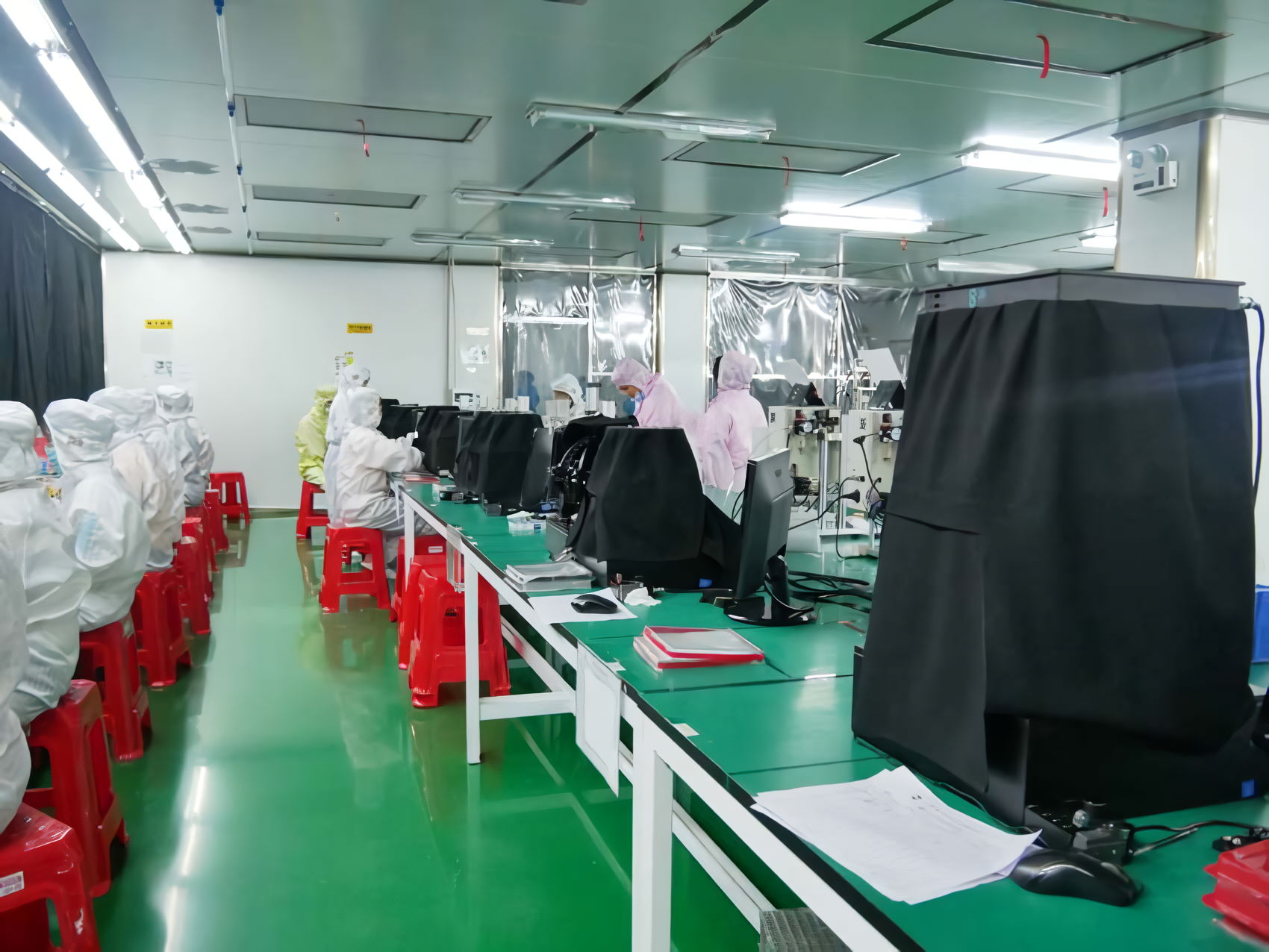
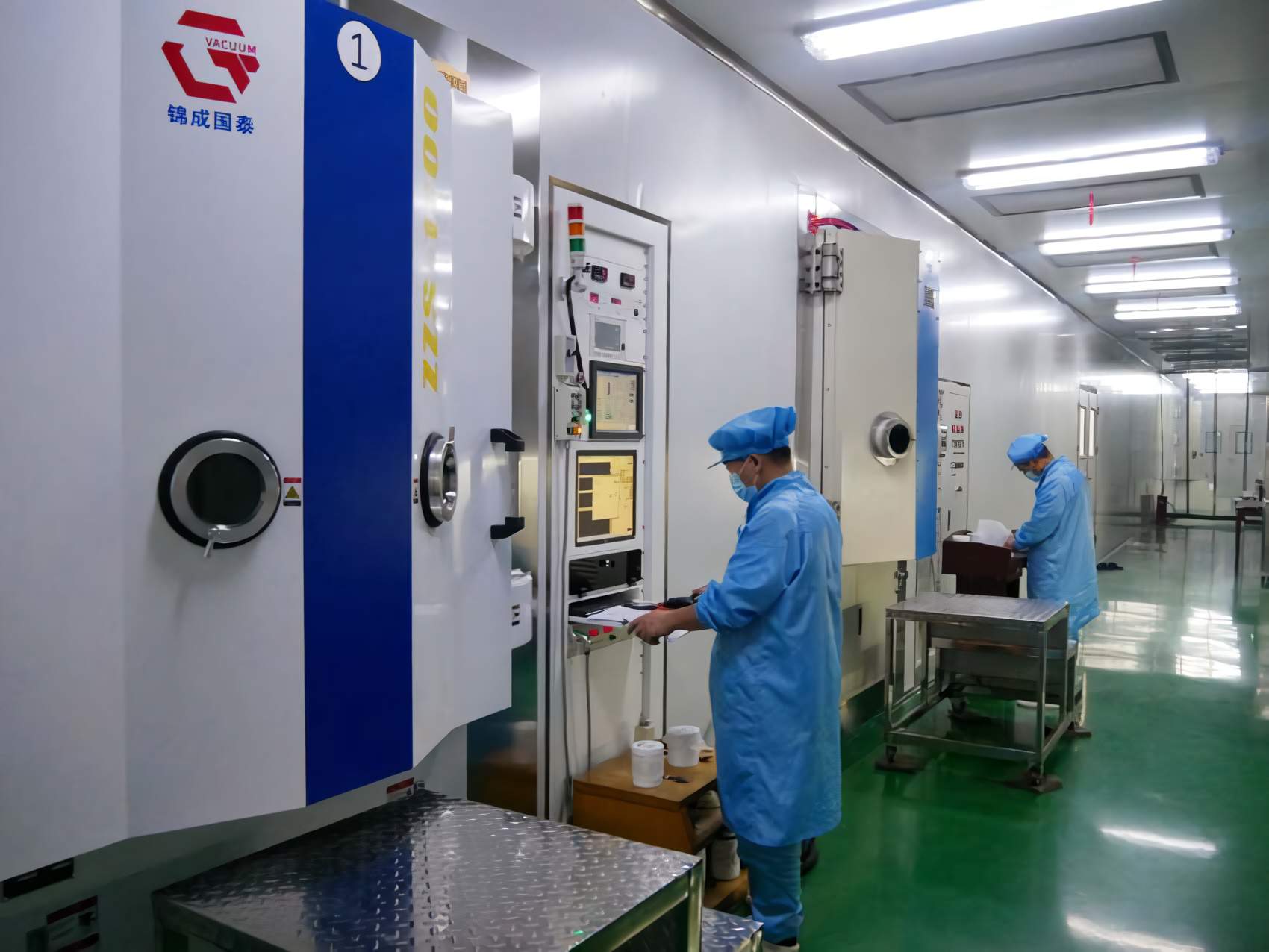
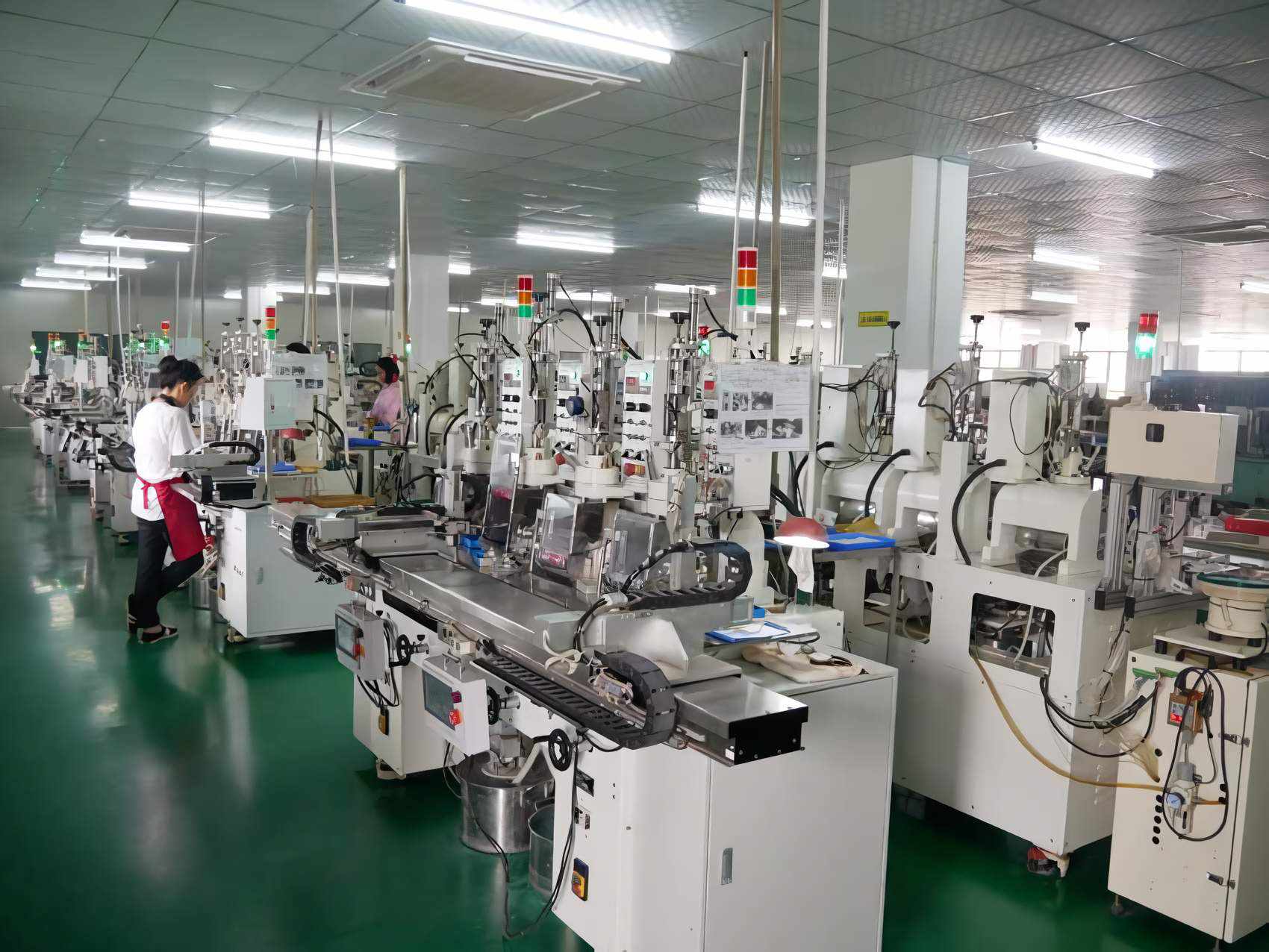
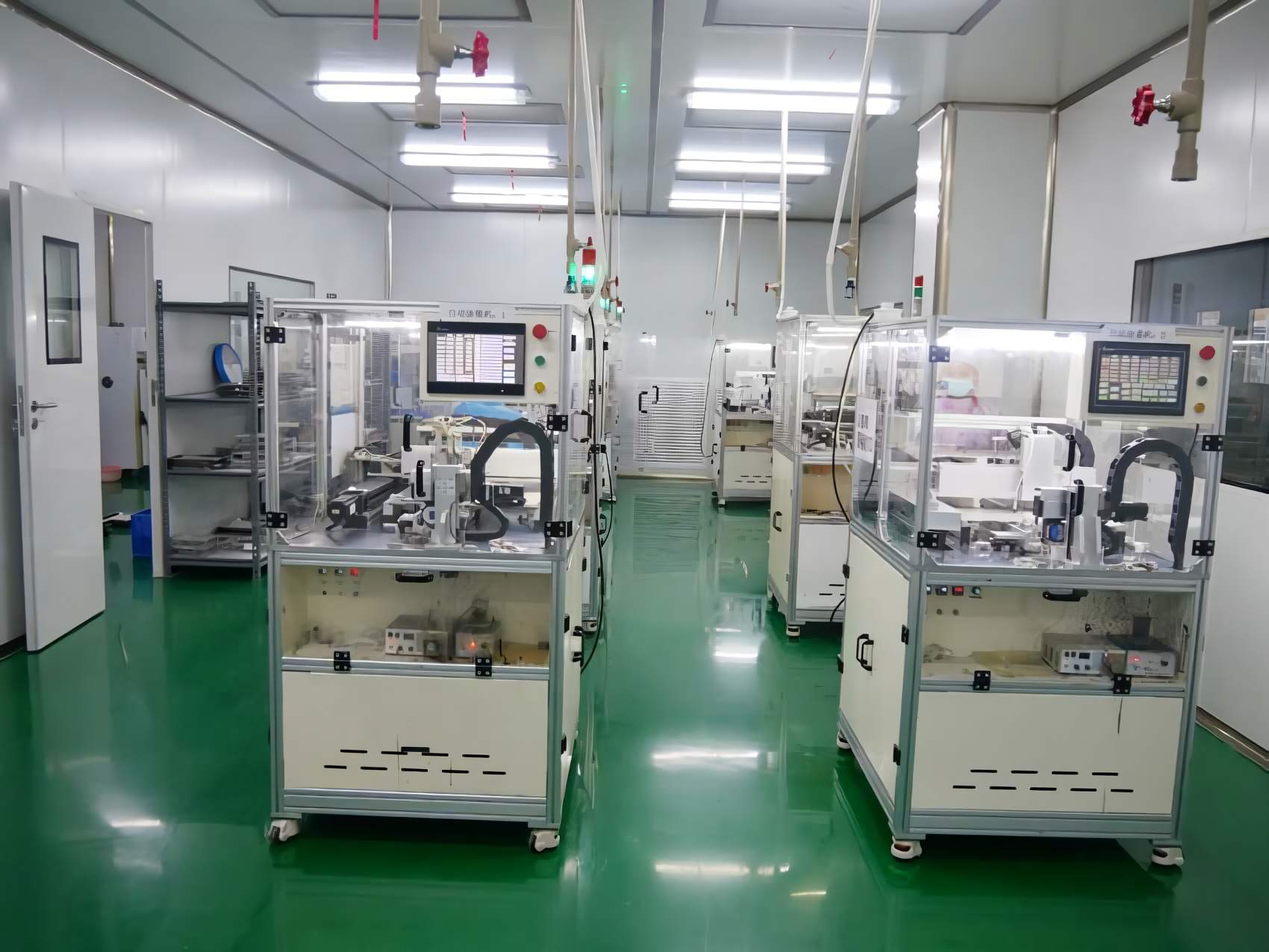
हुबेई फैक्ट्री में 15,000 वर्ग मीटर का एक क्षेत्र शामिल है, ग्लास पीस मासिक आउटपुट मूल्य 2 मिलियन टुकड़े, लेंस असेंबली 1000-स्तरीय धूल-मुक्त कार्यशाला से लैस है, जिसमें 8 मैनुअल असेंबली लाइनें और 10 स्वचालित उत्पादन लाइनें हैं, जिनमें मासिक आउटपुट 2 मिलियन सेट ऑप्टिकल लेंस हैं। विंटॉप ऑप्टिक्स में 60+ उपयोगिता मॉडल डिजाइन पेटेंट और 200+ मॉडल हैं, जो बाजार की दिशा का नेतृत्व करने के लिए हर तिमाही में लगातार नए उत्पादों को लॉन्च करते हैं।

सम्मान

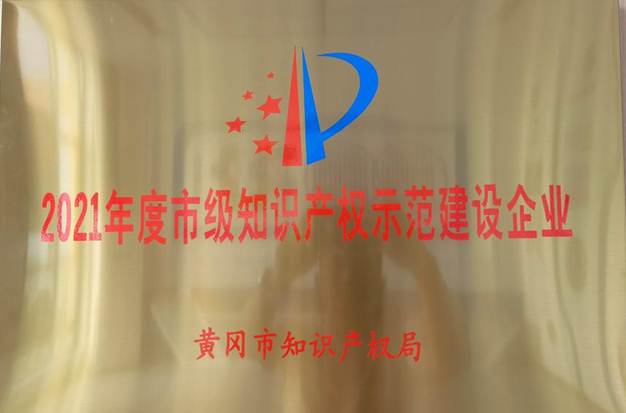
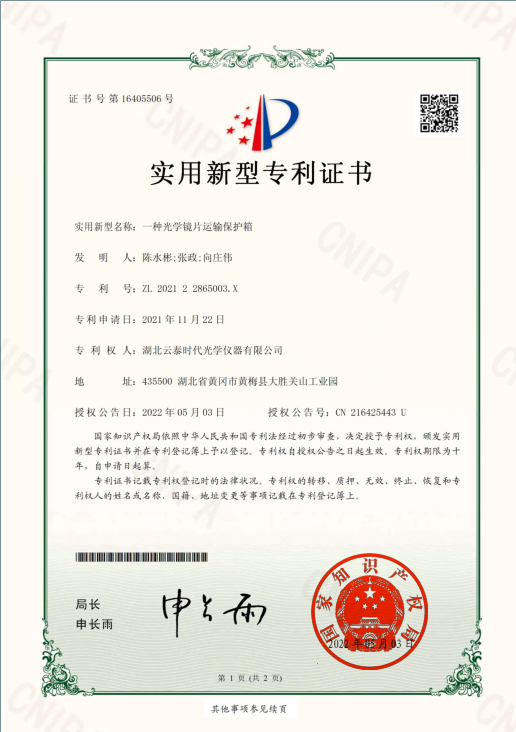
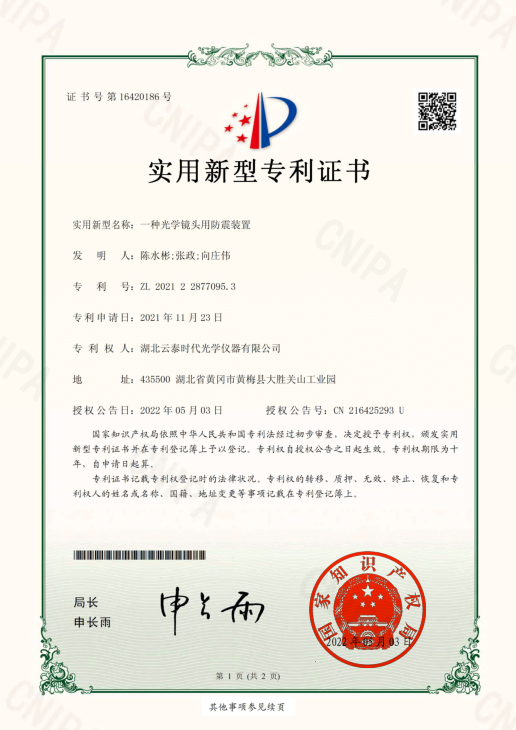
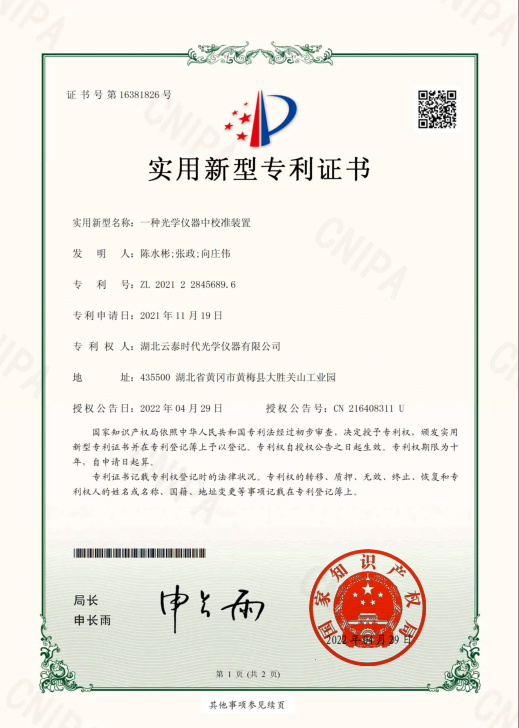
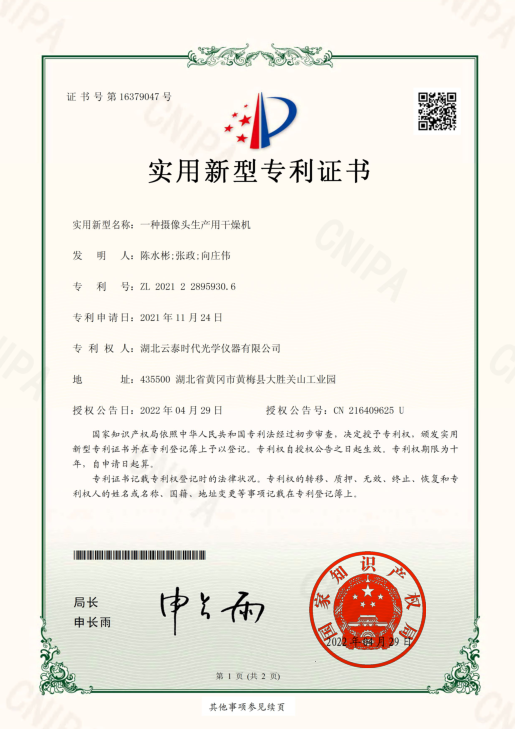
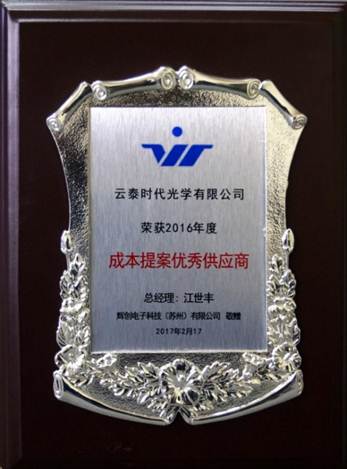
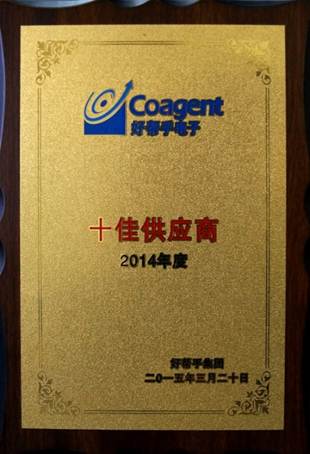
विंटोप ऑप्टिक्स ने TS16949 प्रमाणीकरण (अंतर्राष्ट्रीय ऑटोमोबाइल उद्योग गुणवत्ता प्रबंधन प्रणाली) ,ISO9001,ISO14001... पारित कर दिया है।  

हमारे भागीदार

हुबेई फैक्ट्री 15,000 वर्ग मीटर के क्षेत्र को कवर करती है, ग्लास पीसने का मासिक उत्पादन मूल्य 2 मिलियन टुकड़ों तक पहुंचता है, लेंस असेंबली 1000-स्तरीय धूल-मुक्त कार्यशाला से सुसज्जित है, जिसमें 8 मैनुअल असेंबली लाइनें और 10 स्वचालित उत्पादन लाइनें हैं, मासिक आउटपुट 2 मिलियन तक पहुंचता है। ऑप्टिकल लेंस सेट करता है। विंटॉप ऑप्टिक्स के पास 60+ उपयोगिता मॉडल डिज़ाइन पेटेंट और 200+ मॉडल हैं, जो बाजार की दिशा का नेतृत्व करने के लिए हर तिमाही में लगातार नए उत्पाद लॉन्च कर रहा है।

हमें क्यों चुनें

ऑप्टिकल लेंस क्षेत्र में 19 वर्षों से अधिक की समर्पित सेवा के साथ, विंटॉप ऑप्टिक्स ने ज्ञान और विशेषज्ञता का खजाना अर्जित किया है। लगातार उच्च-गुणवत्ता वाले लेंस प्रदान करने और असाधारण सेवा प्रदान करने के कारण, विंटॉप ऑप्टिक्स एक पसंदीदा लेंस आपूर्तिकर्ता के रूप में स्थापित हो गया है।  

केस सेंटर

विंटोप की आर एंड डी प्रौद्योगिकी टीम व्यक्तिगत ग्राहक आवश्यकताओं के आधार पर पेशेवर समाधान प्रदान करती है। 2012 से, हमने घरेलू और विदेश में इन प्रसिद्ध उद्यमों वीटेक, आईरोबोट, जेबिल, बीवाईडी, होलीटेक के लिए कई सफल समाधान लागू किए हैं। 
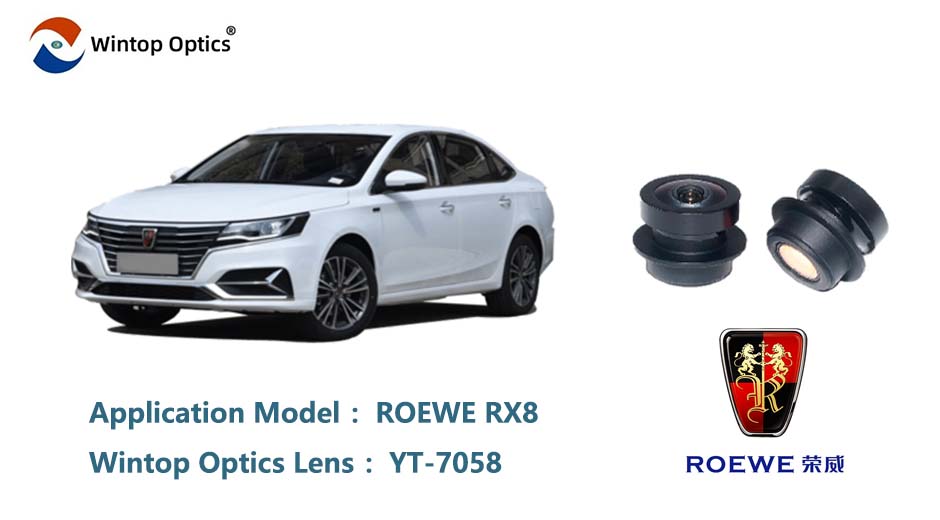
लेंस एप्लीकेशन केस 12--ROEWE RX8
परियोजना अवलोकन: SAIC मोटर के तहत प्रमुख SUV ROEWE RX8, उच्च प्रदर्शन से लैस है 360° सराउंड व्यू सिस्टमस्पष्ट, विरूपण-नियंत्रित पैनोरमिक इमेजिंग सुनिश्चित करने के लिए, ROEWE ने WINTOP OPTICS का चयन किया वाईटी-7058 मुख्य ऑप्टिकल घटक के रूप में पैनोरमिक लेंस।YT-7058 क्यों?अल्ट्रा-वाइड फील्ड ऑफ व्यू: 200° तक क्षैतिज FOV प्रदान करता है, जो वाहन के चारों ओर निगरानी के लिए आदर्श है। कम विरूपण डिजाइन: चिकनी पैनोरमिक डिस्प्ले के लिए सटीक छवि सिलाई सुनिश्चित करता है। ऑटोमोटिव-ग्रेड विश्वसनीयता: उच्च तापमान, कंपन और जलरोधी परीक्षण में उत्तीर्ण, IATF 16949 मानकों को पूरा करता है। कॉम्पैक्ट आकार: बाहरी डिजाइन को प्रभावित किए बिना आसानी से मल्टी-कैमरा वाहन प्रणालियों में एकीकृत किया जा सकता है। आवेदन परिणाम: YT-7058 पैनोरमिक लेंस ROEWE RX8 की सराउंड व्यू प्रणाली ड्राइवरों को बेहतर सुरक्षा दृश्यता प्रदान करती है, जिससे पार्किंग, लेन परिवर्तन और कम गति पर ड्राइविंग के दौरान ब्लाइंड स्पॉट कम हो जाते हैं।
और पढ़ें
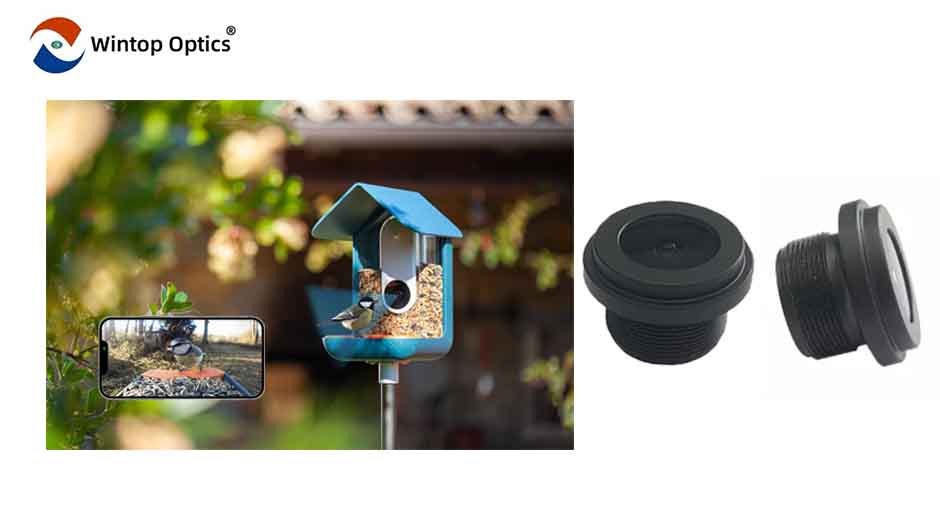
लेंस एप्लीकेशन केस 11--स्मार्ट बर्ड फीडर
पृष्ठभूमि प्रकृति और वन्यजीवों के अवलोकन में रुचि बढ़ने के साथ, स्मार्ट बर्ड फीडर बगीचों, बालकनियों और बाहरी स्थानों में तेजी से लोकप्रिय हो रहे हैं। ये बुद्धिमान उपकरण न केवल पक्षियों को खिलाने का काम स्वचालित करते हैं, बल्कि उपयोगकर्ताओं को अंतर्निहित कैमरों के माध्यम से वास्तविक समय में पक्षियों की गतिविधि का निरीक्षण और रिकॉर्ड करने की अनुमति भी देते हैं।ग्राहक आवश्यकताएँ एवं चुनौतियाँग्राहक को एक कॉम्पैक्ट, उच्च गुणवत्ता की आवश्यकता थी आउटडोर कैमरा लेंस जो प्रदान कर सकता है:  दिन और रात दोनों समय स्पष्ट, उच्च-रिज़ॉल्यूशन इमेजिंग  एक विस्तृत क्षेत्र पर नज़र रखने के लिए एक विस्तृत दृश्य क्षेत्र  वर्षा, धूल और आर्द्रता के प्रति प्रतिरोध  पक्षी फीडर के कॉम्पैक्ट आवास में आसान एकीकरणWINTOP का कस्टम लेंस समाधानविंटॉप एक अनुकूलित प्रदान की वाइड-एंगल आईआर लेंस 1/2.7" सेंसर के लिए डिज़ाइन किया गया, जिसमें निम्नलिखित प्रमुख विशेषताएं हैं:पक्षियों के विवरण की स्पष्ट छवि के लिए 2MP HD रिज़ॉल्यूशनविश्वसनीय रात्रि दृष्टि के लिए इन्फ्रारेड-संवर्धित संरचनासम्पूर्ण दृश्य को कैद करने के लिए 120° चौड़ा कोण दृश्य क्षेत्रलंबे समय तक बाहरी उपयोग के लिए IP66-रेटेड मौसमरोधी डिज़ाइनप्लास्टिक आवरणों के साथ आसान एकीकरण के लिए कॉम्पैक्ट लेंस बैरलपरिणाम और प्रदर्शनबड़े पैमाने पर उत्पादन के बाद, ग्राहक ने बताया:दिन के समय उत्कृष्ट स्पष्टता और विवरण पहचानरात्रि में बिना किसी गति धुंधलेपन के स्थिर IR इमेजिंगलंबे समय तक बाहरी परीक्षण के दौरान कोई कोहरापन या रिसाव नहींमोबाइल ऐप्स पर बेहतर छवि गुणवत्ता के कारण उपयोगकर्ता संतुष्टि में सुधार स्मार्ट बर्ड फीडर कैमरा सिस्टम में WINTOP के लेंस का उपयोग AIoT और स्मार्ट होम डिवाइस के लिए ऑप्टिकल समाधानों में हमारी विशेषज्ञता को दर्शाता है। हम दुनिया भर के इनोवेटर्स को समर्थन देना जारी रखते हैं कस्टम लेंस समाधान स्मार्ट, कनेक्टेड प्रौद्योगिकियों के लिए।क्या आप अपने स्मार्ट डिवाइस के लिए उच्च प्रदर्शन वाले लेंस में रुचि रखते हैं? आज ही हमसे संपर्क करें!
और पढ़ें
लेंस एप्लीकेशन केस 10--हाइमा
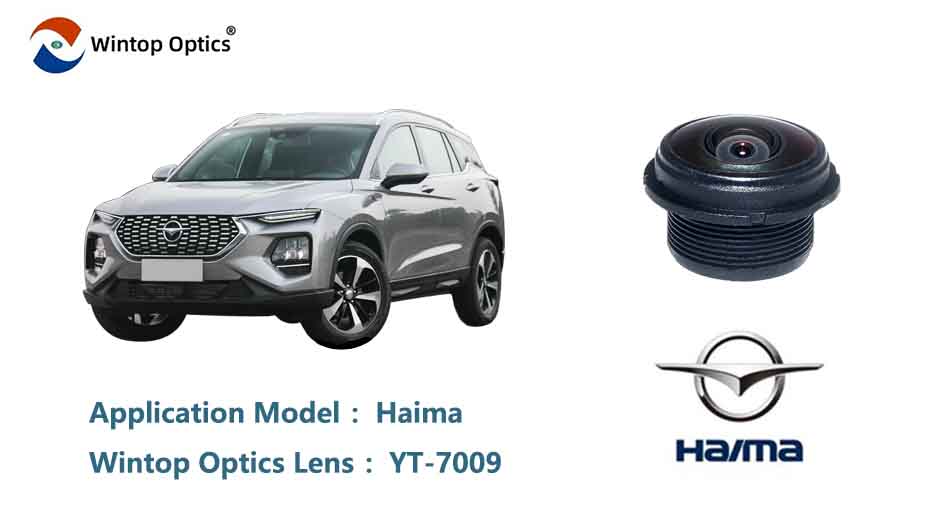
विंटॉप ऑप्टिक्स, एक अग्रणी घरेलू ऑटोमोटिव ऑप्टिकल लेंस समाधान प्रदाता, ने ऑप्टिकल डिजाइन और सटीक विनिर्माण में अपनी विशेषज्ञता का लाभ उठाकर YT-7009 को विकसित किया अल्ट्रा-वाइड-एंगल लेंस- अगली पीढ़ी के AVM सिस्टम के लिए अनुकूलित। उपयोगकर्ता-अनुभव-केंद्रित चीनी वाहन निर्माता हाइमा ऑटो ने अपने नए प्रमुख मॉडलों के सराउंड-व्यू सिस्टम के लिए "आंखों" के रूप में YT-7009 का चयन किया।विंटॉप YT-7009 लेंस: तकनीकी विशेषताएं और नवाचारYT-7009 AVM की मुख्य समस्याओं को संबोधित करते हुए प्रणालीगत नवाचार प्रदान करता है:असाधारण कम-रोशनी प्रदर्शन:भटकती रोशनी को दबाने के लिए उच्च-संप्रेषण नैनो-कोटिंग (>95% प्रकाश संचरण) का उपयोग करता है। बड़े-प्रारूप, उच्च-संवेदनशीलता सेंसर के साथ संगत, चांदनी रोशनी में भी स्पष्ट, कम शोर वाली छवियां प्रदान करता है (95% संप्रेषण,
और पढ़ें
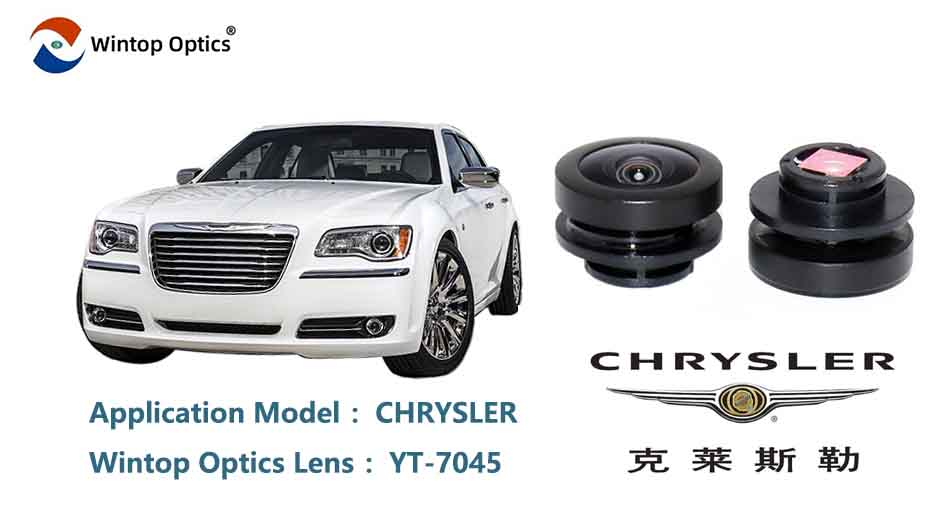
लेंस एप्लीकेशन केस 09--क्रिसलर
जैसे-जैसे वाहन सुरक्षा और चालक सहायता तकनीकें विकसित होती जा रही हैं, उच्च-रिज़ॉल्यूशन वाले रियर-व्यू कैमरा सिस्टम आधुनिक वाहनों में एक मानक सुविधा बन गए हैं। ऑप्टिकल विनिर्माण विशेषज्ञता के 18 से अधिक वर्षों के साथ, विंटॉप ऑप्टिक्स ऑटोमोटिव निर्माताओं को विश्वसनीय, उच्च प्रदर्शन प्रदान करता है लेंस समाधानहमारे प्रमुख उत्पादों में से एक - YT-7045 लेंस - को क्रिसलर मॉडल के रियर-व्यू कैमरा सिस्टम में सफलतापूर्वक एकीकृत किया गया है, जो कठिन परिस्थितियों में तेज छवि गुणवत्ता और मजबूत प्रदर्शन प्रदान करता है।परियोजना पृष्ठभूमि क्रिसलर छवि स्पष्टता में सुधार और विरूपण को कम करके, विशेष रूप से कम रोशनी और चौड़े कोण वाली दृश्य स्थितियों के तहत, अपने रिवर्सिंग सिस्टम की सुरक्षा और उपयोगकर्ता अनुभव को बढ़ाने की कोशिश कर रहा था। इन आवश्यकताओं को पूरा करने के लिए, विंटॉप ने YT-7045 लेंस प्रदान किया, जो ऑटोमोटिव वातावरण में रियर-व्यू अनुप्रयोगों के लिए अनुकूलित एक कॉम्पैक्ट, वाइड-एंगल लेंस है।लेंस हाइलाइट्सYT-7045 लेंस विशेष रूप से रियर-व्यू कैमरा सिस्टम के लिए डिज़ाइन किया गया है, जो निम्नलिखित लाभ प्रदान करता है:  विस्तृत दृश्य क्षेत्र: 200 डिग्री के क्षैतिज FOV के साथ, लेंस व्यापक पीछे की ओर दृश्यता सुनिश्चित करता है, जिससे पीछे की ओर जाते या पार्किंग करते समय अंधे धब्बों में काफी कमी आती है।  कम विरूपण डिजाइन: किनारे के विरूपण को कम करने के लिए सटीक प्रकाशिकी के साथ इंजीनियर, पीछे के डिस्प्ले छवि की सटीकता में सुधार करता है।  उच्च छवि स्पष्टता: 2 मेगापिक्सेल तक के रिज़ॉल्यूशन का समर्थन करता है और कम रोशनी की स्थिति में भी उत्कृष्ट प्रकाश संवेदनशीलता और विवरण कैप्चर के लिए उच्च-संप्रेषण कोटिंग्स को शामिल करता है।  ऑटोमोटिव-ग्रेड विश्वसनीयता: ऑटोमोटिव ग्रेड मानकों के साथ पूरी तरह से अनुरूप, -40°C से +85°C तक के चरम तापमान में स्थिर प्रदर्शन करने में सक्षम।  कॉम्पैक्ट मैकेनिकल संरचना: केवल Φ12.9 मिमी के व्यास के साथ, लेंस कॉम्पैक्ट रियर-व्यू कैमरा मॉड्यूल में निर्बाध एकीकरण की अनुमति देता है।ग्राहक प्रतिक्रियाक्रिसलर इंजीनियरिंग टीम ने लेंस की ऑप्टिकल गुणवत्ता और मजबूत पर्यावरणीय प्रदर्शन पर गहरी संतुष्टि व्यक्त की:"Wintop के YT-7045 लेंस ने बिल्कुल वही दिया जिसकी हमें ज़रूरत थी - चौड़ी, स्पष्ट और विरूपण-मुक्त रियर-व्यू इमेजिंग। विभिन्न स्थितियों में इसके स्थिर प्रदर्शन ने इसे हमारे वाहन प्लेटफ़ॉर्म में एक विश्वसनीय घटक बना दिया। हम Wintop के तकनीकी सहयोग और त्वरित समर्थन की सराहना करते हैं।"निष्कर्ष क्रिसलर के रियर-व्यू कैमरा सिस्टम में YT-7045 लेंस की यह सफल तैनाती ऑटोमोटिव उद्योग के लिए अत्याधुनिक ऑप्टिकल समाधान प्रदान करने के लिए विंटॉप की प्रतिबद्धता को दर्शाती है। हम वाहन सुरक्षा और चालक के आत्मविश्वास को बढ़ाने वाले विश्वसनीय इमेजिंग घटकों को नया रूप देना और प्रदान करना जारी रखेंगे।
और पढ़ें
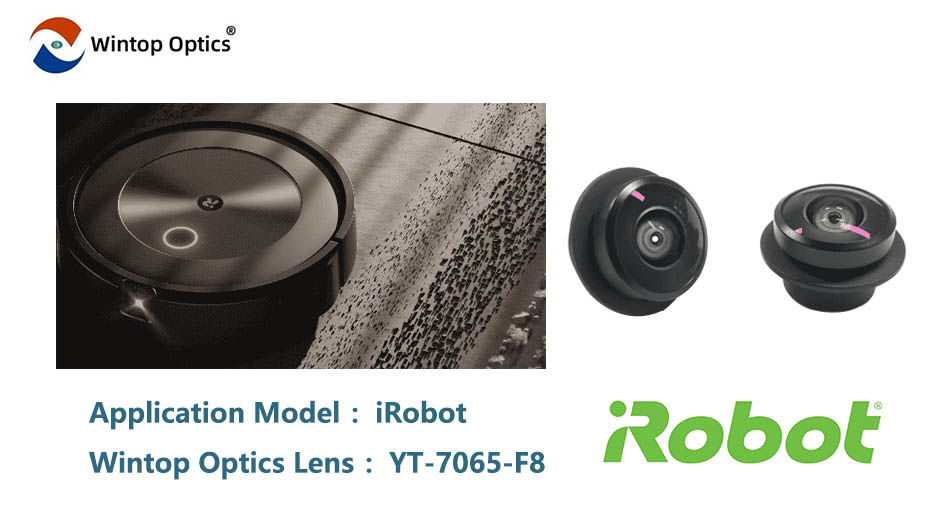
लेंस एप्लीकेशन केस 08--iRobot स्वीपिंग रोबोट
स्मार्ट होम तकनीक के तेजी से विकास के साथ, स्वीपिंग रोबोट परिवारों की मानक फिटिंग में से एक बन गया है। रोबोट सफाई उद्योग में अग्रणी के रूप में, iRobot स्वीपिंग रोबोट न केवल सफाई के तरीके को पूरी तरह से बदल देता है, बल्कि कुशल उपभोक्ताओं के लिए एक अधिक सुविधाजनक घरेलू अनुभव भी लाता है। आर्टिफिशियल इंटेलिजेंस और इंटरनेट ऑफ थिंग्स (IoT) के आगे के विकास के साथ, iRobot का स्वीपिंग रोबोट एक एकल सफाई उपकरण से स्मार्ट होम स्टीवर्ड में बदल रहा है। iRobot की सभी परियोजनाएँ वेंटो ऑप्टिक्स द्वारा विकसित YT-7065-F8 लेंस का उपयोग करती हैं, जो ग्राहक घर की सफाई पर केंद्रित वैक्यूम क्लीनिंग रोबोट के विकास में कंपनी के योगदान को उजागर करती हैं।iRobot वैक्यूम क्लीनर लेंस एक उन्नत वैक्यूम क्लीनर का हिस्सा है जो घर के हर कोने पर नज़र रखता है। iRobot स्वीपिंग रोबोट लेंस फर्श पर मौजूद सभी दागों पर ध्यान केंद्रित कर सकता है ताकि यह सुनिश्चित हो सके कि ग्राहकों का घर साफ़ रहे। Wintop Optics के YT-7065-F8 लेंस को iRobot वैक्यूम क्लीनर प्रोजेक्ट द्वारा अपनाया गया है।YT-7065-F8
और पढ़ें
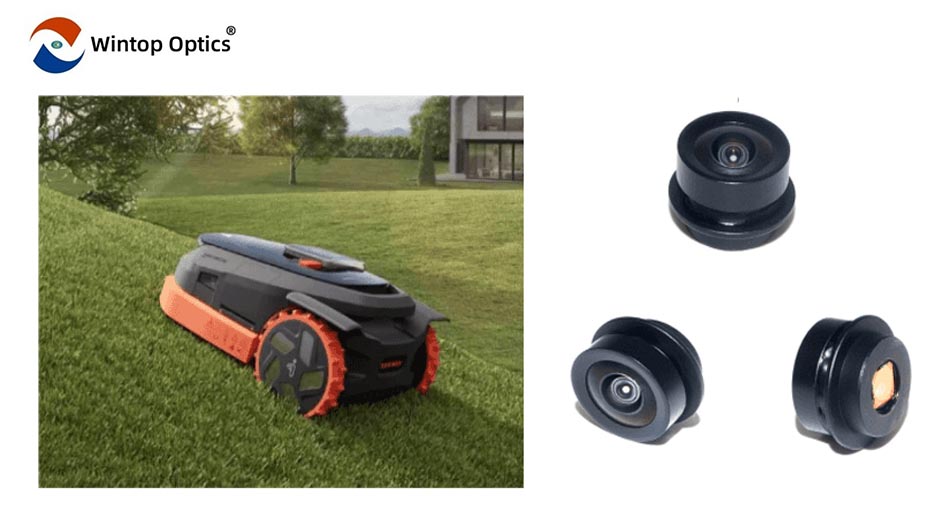
लेंस एप्लीकेशन केस 07--लॉन मावर्स
लॉन मावर पर लेंस लगाने से बेहतर उपयोगकर्ता अनुभव और संचालन सटीकता मिल सकती है। लॉन मावर पर लेंस लगाने से उपयोगकर्ता निम्नलिखित समाधान प्राप्त कर सकते हैं:बुद्धिमान पथ योजना: लेंस आसपास के वातावरण की छवियों को कैप्चर कर सकता है, उच्च-रिज़ॉल्यूशन सुविधाएँ और छवि पहचान एल्गोरिदम सबसे अच्छा घास काटने का रास्ता निर्धारित करने के लिए। घास काटने की मशीन छवि में बाधाओं का विश्लेषण करने और उनसे बचने में सक्षम है, जिससे घास काटने की प्रक्रिया अधिक कुशल और सटीक हो जाती है, जो आश्चर्यजनक है, लेंस वाले स्मार्ट रोबोट की तरह।फूलों की क्यारियों को नुकसान पहुंचाने और गुजरते बच्चों को काटने से बचें: लेंस से वास्तविक समय की छवि प्रतिक्रिया के साथ, लॉन घास काटने की मशीन फूलों के बिस्तरों, पत्थरों और लोगों की स्थिति का पता लगा सकती है, और उन्हें नुकसान से बचाने के लिए घास काटने के मार्ग को तदनुसार समायोजित कर सकती है। इस तरह के लॉन घास काटने की मशीन से प्यार न करना मुश्किल है। सुरक्षित कैमरा लेंसघास काटने की ऊंचाई का स्वचालित समायोजन: कैमरे का लेंस एम12 संगीन लॉन की वास्तविक स्थिति की निगरानी कर सकते हैं और घास की वृद्धि और उपयोगकर्ता द्वारा निर्धारित वांछित ऊंचाई के अनुसार लॉन घास काटने की मशीन की घास काटने की ऊंचाई को स्वचालित रूप से समायोजित कर सकते हैं। इस तरह, लॉन घास काटने की मशीन लॉन को साफ और समतल रखने के लिए विभिन्न क्षेत्रों और विभिन्न घास की लंबाई में अनुकूली घास काटने का प्रदर्शन कर सकती है।दोष निदान और रखरखाव युक्तियाँ: लेंस लॉन घास काटने की मशीन की कार्य स्थिति और भागों को कैप्चर कर सकता है, और छवि डेटा को उपयोगकर्ता या रखरखाव कर्मियों तक पहुंचा सकता है। इन छवि डेटा का विश्लेषण करके, संभावित दोषों या रखरखाव की जरूरतों का पहले से पता लगाया जा सकता है, और लॉन घास काटने की मशीन की विश्वसनीयता और जीवन को बेहतर बनाने के लिए समय पर उपाय किए जा सकते हैं।कुल मिलाकर, लॉन मावरों पर लेंस का उपयोग बुद्धिमान पथ नियोजन, क्षति से बचाव, घास काटने की ऊंचाई का स्वचालित समायोजन, तथा छवि पहचान और वास्तविक समय प्रतिक्रिया जैसी प्रौद्योगिकियों के माध्यम से समस्या निदान और रखरखाव युक्तियां जैसे समाधान प्रदान करके लॉन मावरों के प्रदर्शन और अनुभव को बढ़ा सकता है। 
और पढ़ें
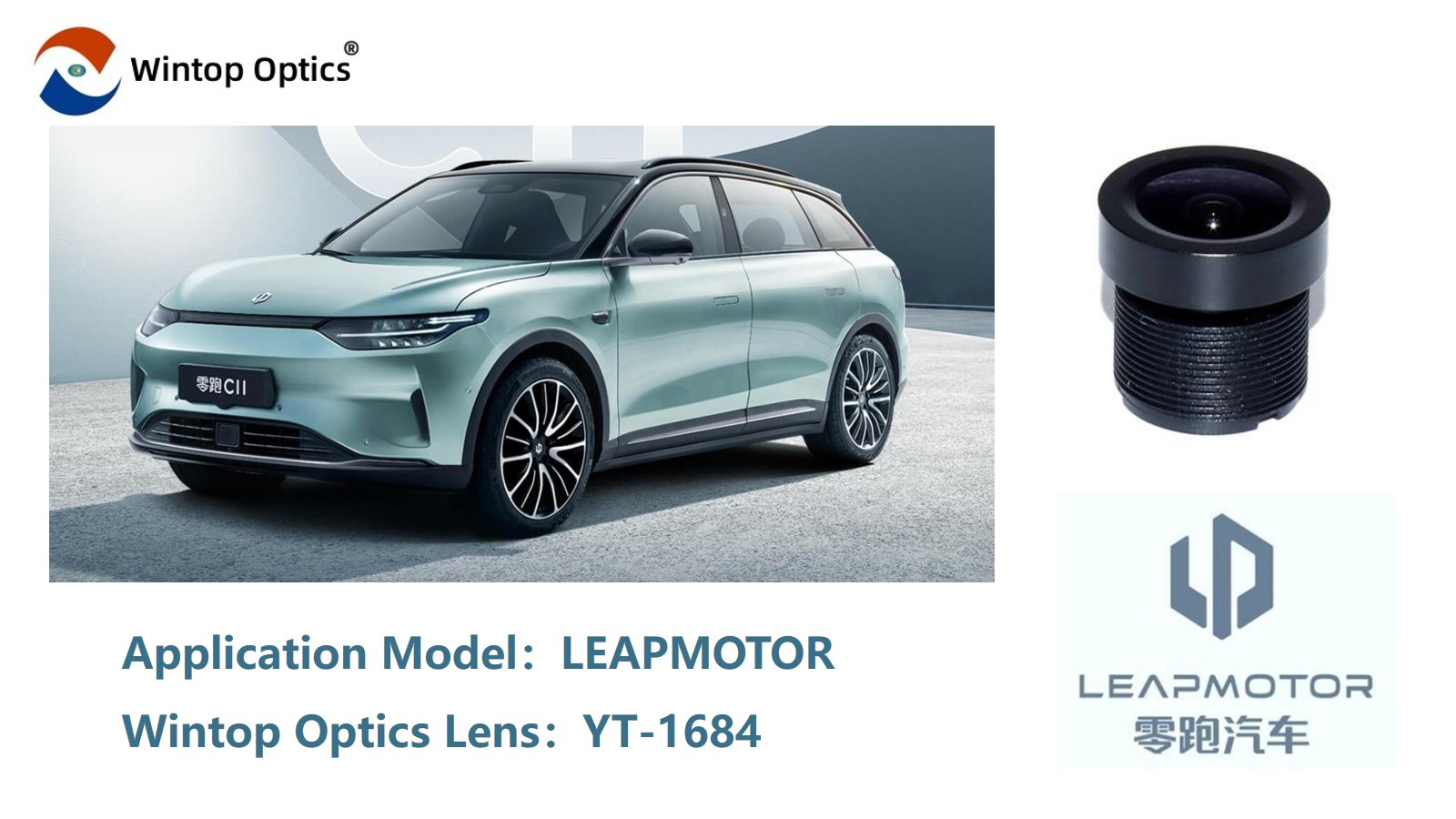
लेंस एप्लीकेशन केस 06--LEAPMOTOR
LEAPMOTOR में Wintop Optics DVR लेंस YT-1684 का सफल अनुप्रयोग   ऑटोमोटिव सुरक्षा और स्मार्ट प्रौद्योगिकी के क्षेत्र में, विंटॉप ऑप्टिक्स अपने उत्कृष्ट ऑप्टिकल उत्पादों - इमेजिंग लेंस के लिए जाना जाता है। YT-1684 कार कैमरा लेंस, एक अभिनव ड्राइविंग रिकॉर्डर लेंस विंटॉप ऑप्टिक्स के इस शोध को वाहनों की बुद्धिमान निगरानी प्रणाली को बढ़ाने के लिए लीपमोटर कारों में सफलतापूर्वक लागू किया गया है।   उत्पाद की विशेषताएँ: उच्च परिभाषा: YT-1684 डीवीआर लेंस में स्पष्ट चित्र और सच्चे रंग सुनिश्चित करने के लिए उच्च गुणवत्ता वाले ऑप्टिकल ग्लास की सुविधा है। वाइड-एंगल दृश्य क्षेत्र: ड्राइविंग स्थितियों को स्पष्ट रूप से रिकॉर्ड करने के लिए 100 डिग्री से अधिक का वाइड-एंगल दृश्य क्षेत्र प्रदान करता है। टिकाऊपन: कार कैमरा लेंस को टिकाऊ बनाया गया है तथा यह विभिन्न प्रकार की गंभीर मौसम स्थितियों को झेलने में सक्षम है।   लीपमोटर मामला: LEAPMOTOR, एक अग्रणी नई ऊर्जा वाहन निर्माता के रूप में, एक उच्च तकनीक और बुद्धिमान ड्राइविंग अनुभव प्रदान करने के लिए प्रतिबद्ध है। Wintop Optics के साथ साझेदारी के बाद लेंस निर्माताLEAPMOTOR ने अपने उत्पादन मॉडल में YT-1684 कार डीवीआर लेंस को एकीकृत किया है।   सफलता कारक: सुरक्षा उन्नयन: YT-1684 का उच्च-परिभाषा और अल्ट्रा-वाइड-एंगल दृश्य क्षेत्र डैश कैम लेंस इससे ड्राइविंग सुरक्षा में उल्लेखनीय वृद्धि होती है और ड्राइवरों को अपने आसपास की स्थिति पर बेहतर निगरानी रखने में मदद मिलती है। बुद्धिमान एकीकरण: कैमरा LEAPMOTOR कार की बुद्धिमान चालक सहायता प्रणाली के साथ सहजता से एकीकृत होकर वास्तविक समय में सड़क की स्थिति का विश्लेषण और प्रारंभिक चेतावनी प्रदान करता है। उपयोगकर्ता प्रतिक्रिया: उपयोगकर्ता YT-1684 के प्रदर्शन से अत्यधिक संतुष्ट हैं कार डीवीआर लेंसविशेषकर सड़क की स्थिति को रिकॉर्ड करने में इसका स्पष्ट इमेजिंग प्रदर्शन।   बाजार पर प्रभाव: YT-1684 लेंस की शुरूआत न केवल LEAPMOTOR की बाजार प्रतिस्पर्धात्मकता को बढ़ाती है, बल्कि पूरे ऑटोमोटिव उद्योग की तकनीकी प्रगति को भी बढ़ावा देती है। Wintop Optics और के बीच सहयोग लीपमोटर इसे स्मार्ट कार प्रौद्योगिकी के विकास में एक मील का पत्थर माना जाता है।   भविष्य का दृष्टिकोण: स्वचालित ड्राइविंग और वाहन से जुड़ी सभी तकनीकों के विकास के साथ, विंटॉप ऑप्टिक्स के YT-1684 कार डीवीआर लेंस से भविष्य में वाहन सुरक्षा और निगरानी प्रणालियों में बड़ी भूमिका निभाने की उम्मीद है, जो ड्राइवरों को अधिक व्यापक और बुद्धिमान ड्राइविंग अनुभव प्रदान करेगा।  
और पढ़ें
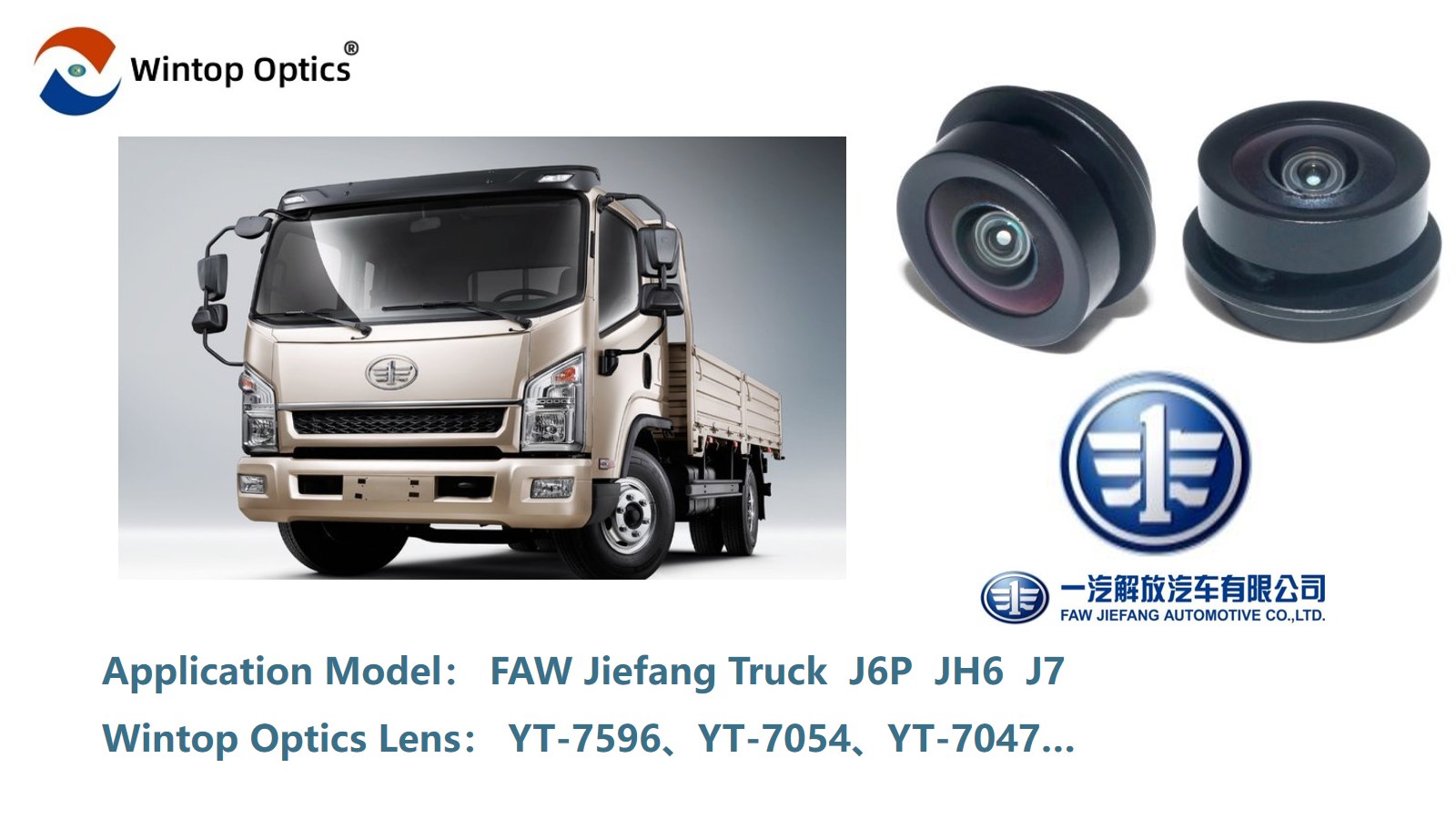
लेंस एप्लीकेशन केस 05--FAW Jiefang
एफएडब्ल्यू जिएफांग ने विंटॉप ऑप्टिक्स के कई मॉडलों का उपयोग किया है कार रियरव्यू लेंस और YT-7596, YT-7054, और YT-7047 सहित सराउंड व्यू लेंस। ये अनुप्रयोग विंटॉप की उत्पाद श्रृंखला की बहुमुखी प्रतिभा और विभिन्न ऑटोमोटिव अनुप्रयोगों के लिए इसकी उपयुक्तता को प्रदर्शित करते हैं, जिससे वाहन की रियर और सराउंड विज़न क्षमताओं में वृद्धि होती है। रियरव्यू और सराउंड-व्यू लेंस सहित विभिन्न कैमरा लेंस का अनुप्रयोग, भारी-भरकम ट्रक परिवहन की सुरक्षा और दक्षता को बढ़ाने में महत्वपूर्ण भूमिका निभाता है।ब्लाइंड स्पॉट मॉनिटरिंग लेंसये लेंस उन्नत ड्राइवर सहायता प्रणालियों का हिस्सा हैं (ADAS लेंस) जो ट्रक के ब्लाइंड स्पॉट की निगरानी करते हैं, खास तौर पर लेन बदलने के दौरान। ड्राइवर को वास्तविक समय पर अलर्ट प्रदान करके, ये सिस्टम सड़क पर सुरक्षा को काफी हद तक बढ़ाते हैं। ब्लाइंड स्पॉट मॉनिटरिंग सिस्टम में इस्तेमाल किए जाने वाले लेंस आमतौर पर उच्च-रिज़ॉल्यूशन वाले होते हैं और आवश्यक क्षेत्रों को कवर करने के लिए एक विस्तृत दृश्य क्षेत्र होता है।एडेप्टिव क्रूज़ कंट्रोल (ACC) और लेन कीपिंग असिस्ट (LKA) लेंस: इन लेंसों का उपयोग उन प्रणालियों में किया जाता है जो सुरक्षित दूरी बनाए रखने और ट्रक को उसकी लेन में रखने में मदद करते हैं। वे उन्नत सेंसर से लैस हैं जो आगे के वाहनों की गति और स्थिति का पता लगा सकते हैं, जिससे ट्रक अपनी गति को तदनुसार समायोजित कर सकता है।
और पढ़ें
लेंस एप्लीकेशन केस 04--मैग्ना
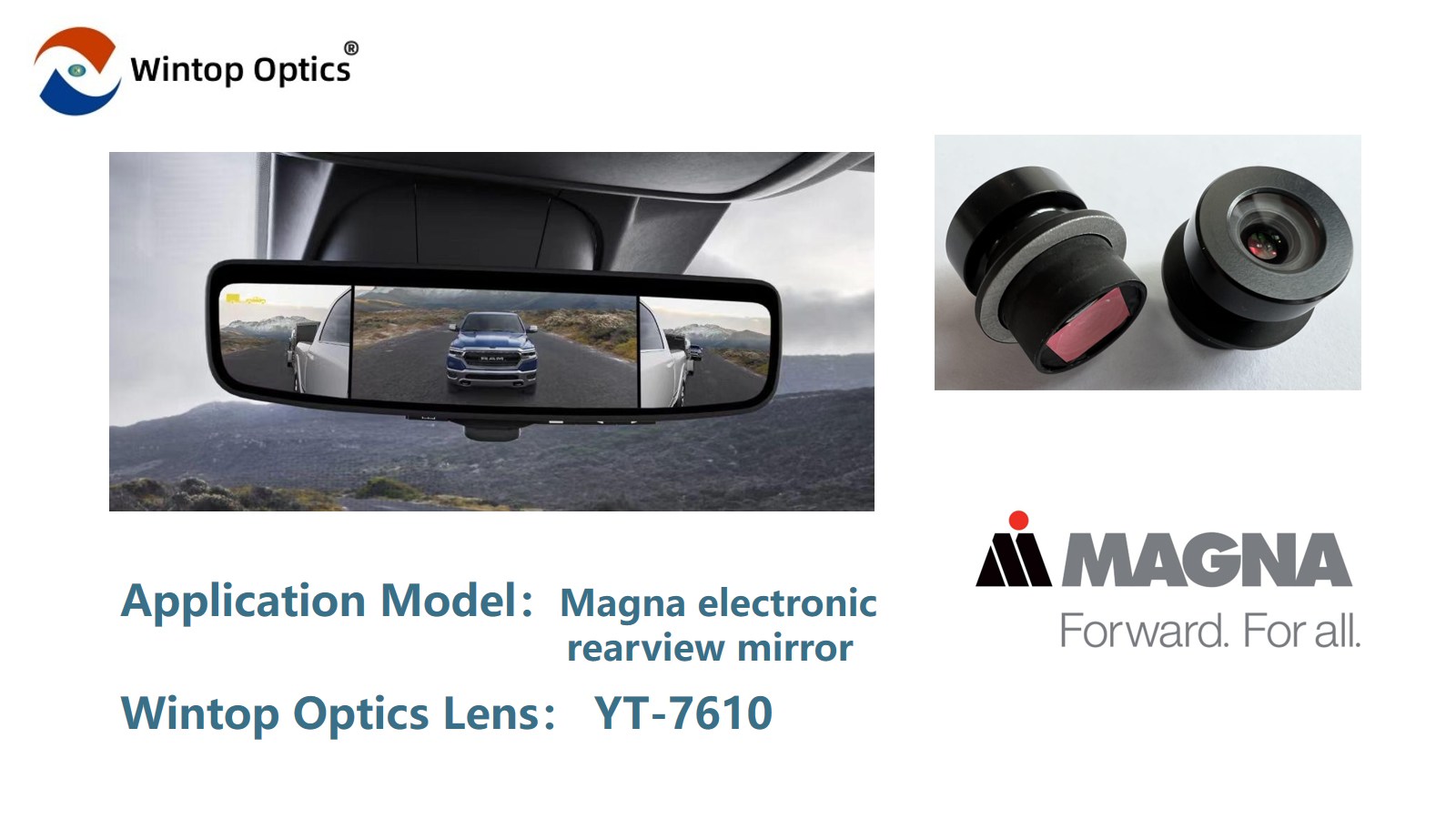
विंटॉप ऑप्टिक्स का YT-7610 मॉडल ADAS लेंस मैग्ना के साइड व्यू और ADAS (एडवांस्ड ड्राइवर-असिस्टेंस सिस्टम) प्रोजेक्ट के लिए चुना गया था। यह साझेदारी विंटॉप की लेंस प्रदान करने की क्षमता का प्रमाण है जो वाहन सुरक्षा और ड्राइविंग सहायता को बेहतर बनाने के लिए डिज़ाइन किए गए परिष्कृत सिस्टम के विकास का समर्थन करते हैं।ऑटोमोटिव साइड व्यू लेंस इनका उपयोग ब्लाइंड स्पॉट का पता लगाने और लेन परिवर्तन सहायता के लिए किया जाता है, जिससे चालक को आसन्न लेन का स्पष्ट दृश्य मिलता है। इलेक्ट्रॉनिक्स रियरव्यू लेंस अनुकूली क्रूज नियंत्रण, लेन प्रस्थान चेतावनी और टकराव से बचने की प्रणाली जैसी विभिन्न सुरक्षा सुविधाओं का अभिन्न अंग हैं। वे वाहन के आसपास के बारे में डेटा इकट्ठा करने के लिए कैमरों और सेंसर का उपयोग करते हैं। Wintop Optics द्वारा YT-7610 मॉडल लेंस को मैग्ना द्वारा उनके साइड व्यू और ADAS प्रोजेक्ट्स के लिए चुना गया है, जो इन उन्नत प्रणालियों का समर्थन करने के लिए लेंस की क्षमता को प्रदर्शित करता है।
और पढ़ें
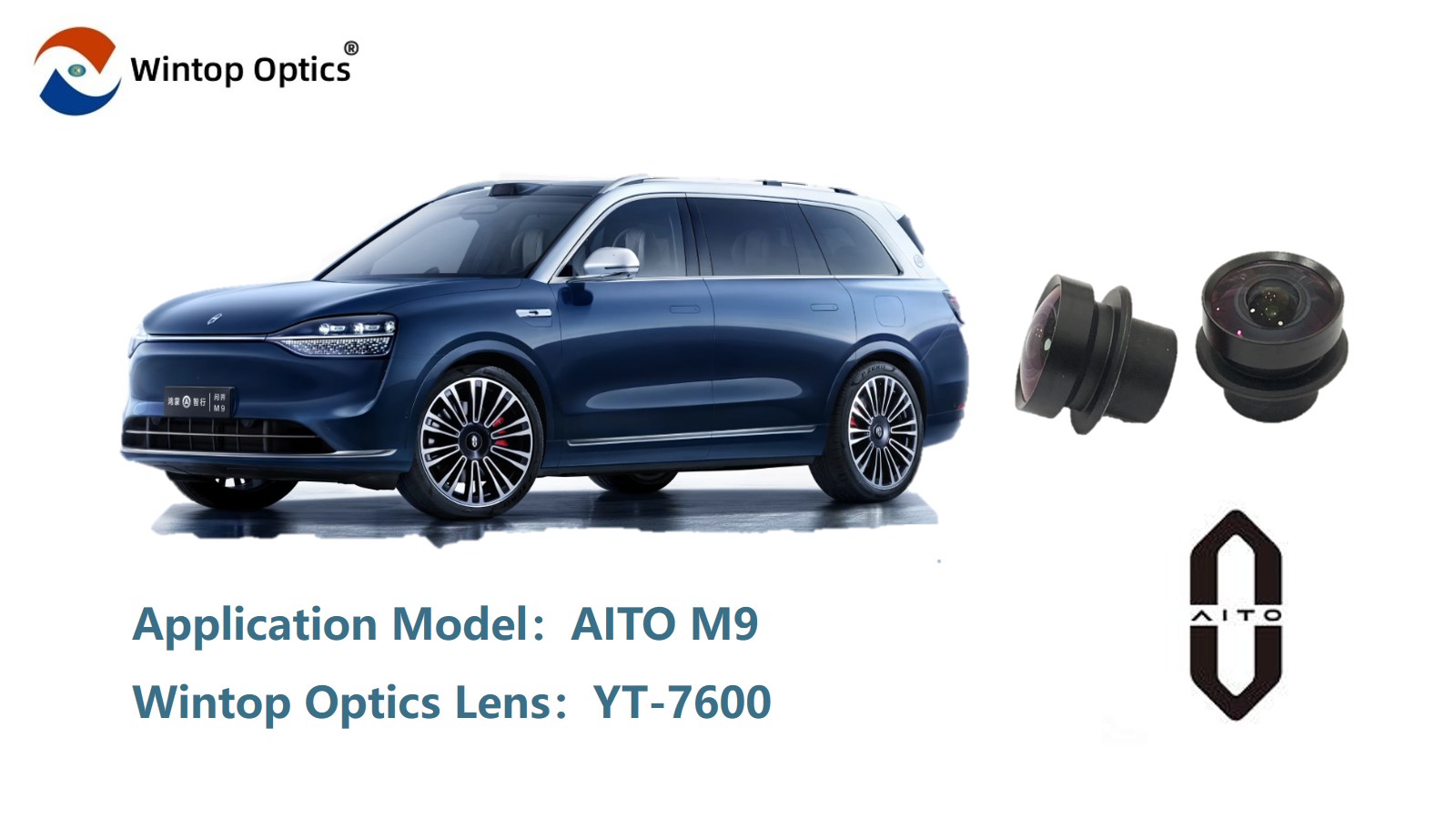
लेंस एप्लीकेशन केस 03--AITO
हुआवेई के वाहन-माउंटेड डीएमएस (ड्राइवर मॉनिटरिंग सिस्टम) और ओएमएस (ऑक्यूपेंट मॉनिटरिंग सिस्टम) प्रोजेक्ट्स को विंटॉप ऑप्टिक्स द्वारा विकसित YT-7600 मॉडल लेंस से लाभ मिला। यह अपनाना अत्याधुनिक ऑटोमोटिव तकनीकों में योगदान देने में कंपनी की भूमिका को रेखांकित करता है जो ड्राइवर और यात्री सुरक्षा पर ध्यान केंद्रित करते हैं।कार (ड्राइवर मॉनिटरिंग सिस्टम/ऑक्यूपेंट मॉनिटरिंग सिस्टम) डीएमएस लेंस /ओएमएस लेंस उन्नत सुरक्षा प्रणालियों का हिस्सा हैं जो चालक की सतर्कता और वाहन के अंदर यात्रियों की स्थिति की निगरानी करते हैं। डीएमएस लेंस थकान या व्याकुलता के संकेतों का पता लगाने के लिए चालक के चेहरे पर ध्यान केंद्रित करता है, जबकि ओएमएस लेंस यात्रियों की निगरानी करता है ताकि यह सुनिश्चित किया जा सके कि एयरबैग जैसी सुरक्षा सुविधाएँ सही तरीके से तैनात की गई हैं। YT-7600 मॉडल ऑक्यूपेंट मॉनिटरिंग सिस्टम लेंस विंटॉप ऑप्टिक्स की ओर से विकसित की गई इस मॉनिटरिंग प्रणाली को हुआवेई की ऑटोमोटिव परियोजनाओं के लिए अपनाया गया है, जो इन परिष्कृत निगरानी प्रणालियों के लिए इसकी उपयुक्तता को उजागर करता है।
और पढ़ें

समाचार और ब्लॉग

विनटॉप ऑप्टिक्स ऑप्टिकल लेंस प्रौद्योगिकी की सीमाओं को आगे बढ़ाने के लिए समर्पित है। एक दूरदर्शी लेंस निर्माता के रूप में, हम अपने वैश्विक ग्राहकों की विविध आवश्यकताओं को पूरा करने के लिए नई ऑप्टिकल तकनीकों को अपनाते हुए लगातार विकसित हो रहे हैं। विनटॉप ऑप्टिक्स प्रगति में आपका भागीदार है।
ब्लॉग
Which Lens is Used in a Drone Camera?
Drone cameras have become essential tools for aerial photography, surveillance, industrial inspections, and mapping. The quality of the lens directly affects image clarity, field of view, low-light performance, and overall drone capabilities. Selecting the right lens for your drone can make the difference between professional-grade footage and ordinary results. Popular Lens Types for Drones For drones, M12 S-Mount lenses are widely used due to their compact size, lightweight design, and excellent optical performance. One of the most popular options is the 3.3mm M12 lens f1.1 for drone low-light imaging, which provides ultra-bright performance in dim environments and is ideal for FPV drones or evening aerial photography. For drones that require longer focal lengths or detailed inspection capabilities, lenses such as the 6mm M12 lens f1.8 for UAV cameras or 4mm M12 S-Mount lens for night vision UAV are highly recommended. These lenses offer higher precision and allow drones to capture intricate details from higher altitudes or during night operations. Wide Angle and High Aperture Lenses A wide field of view is crucial for aerial photography. Lenses like 3.3mm ultra bright M12 lens f1.1 for aerial photography and 3.6mm M12 lens f2.0 for drone videography provide broad coverage while maintaining minimal distortion. High-aperture lenses allow drones to perform well in low-light conditions, enabling sunset or nighttime flights without sacrificing image quality. Low Distortion and Sensor Compatibility Different drones come with different camera sensors, so lens compatibility is essential. High-quality M12 lenses such as 3.0mm M12 lens for 1/2.7 inch UAV sensor or 4.0mm M12 lens for 1/3 inch FPV camera ensure low distortion and crisp imaging. Selecting lenses that match your sensor size guarantees accurate image reproduction and professional results. Applications in Drone Operations Aerial Photography: Wide-angle lenses like 3.3mm M12 lens f1.1 with wide angle for UAV cameras deliver cinematic and immersive shots. Industrial Inspections: Lenses such as 6mm M12 lens f1.8 for drone surveillance capture fine details in difficult-to-reach areas, making them ideal for inspection drones. Night Surveillance: 4mm M12 S-Mount lens for night vision UAV ensures bright and clear imaging even in low-light conditions. FPV Racing Drones: Lightweight lenses like 3.3mm M12 S-Mount lens for FPV drones provide fast, responsive visuals for high-speed operations. Why Choose M12 Lenses for Drones? M12 lenses are compact, versatile, and offer excellent optical quality. Their small size and lightweight design make them suitable for various drone models, from hobbyist FPV drones to professional UAVs. The availability of different focal lengths, apertures, and wide-angle designs ensures that there is an M12 lens for virtually every drone application. Conclusion Choosing the right lens for your drone camera depends on the intended application, sensor size, and desired field of view. A mix of lenses — from 3.3mm F1.1 for low-light FPV flying to 6mm F1.8 for industrial inspections — provides flexibility and ensures high-quality aerial imaging. By selecting the appropriate M12 S-Mount lens, drone operators can achieve clear, low-distortion footage for both professional and recreational use. Call to Action If you are looking for high-performance M12 lenses for drones, contact us today to explore our full range of lenses designed for FPV, aerial photography, night vision, and industrial UAV applications. Let us help you find the perfect lens for your drone project. Contact Wintop Optics: TEL/WhatsApp:+86 153 0268 9906 Email:yorty@yuntal.com
ब्लॉग
Why Are Dashcam Lenses So Wide Angle?
When choosing a dash camera, one of the first things people notice is how wide the lens appears to be. Unlike traditional cameras, most dashcams are designed with a wide angle dash cam lens to capture a much broader field of view, often ranging from a 140 degree dash cam lens to a 170 degree ultra wide angle dash cam lens. So why are dashcam lenses made so wide? The answer lies in safety, coverage, and real-world driving needs. Capturing More of the Road in a Single Frame The primary reason behind a wide-angle design is simple: it allows the camera to record more of the surrounding environment. Instead of focusing narrowly on what is directly in front of the vehicle, a wide field of view car camera lens can include adjacent lanes, sidewalks, and roadside activity all at once. In practical terms, this means that important details—such as a car approaching from the side or a pedestrian stepping into the road—are less likely to be missed. For drivers, this broader perspective can make a significant difference when reviewing footage after an incident. Reducing Blind Spots During Driving Blind spots are a common cause of accidents, especially in busy urban traffic or on highways. A wide angle front view dash cam lens helps reduce these blind areas by extending the visible range toward the edges of the scene. This becomes particularly valuable at intersections, during lane changes, or when vehicles merge unexpectedly. For larger vehicles like trucks or buses, using a wide angle dash cam lens for truck is even more critical, which is why it is widely adopted in fleet and commercial systems. Adapting to Different Camera Positions Modern dashcam systems often go beyond a single front-facing camera. Many setups include rear cameras and interior monitoring, each with its own requirements. A wider viewing angle helps ensure that each camera can effectively cover its intended area. For example, a wide angle rear view dash cam lens improves visibility when reversing, while a wide angle in-car monitoring lens or ultra wide cabin camera lens can capture the entire cabin without leaving gaps. This flexibility is one of the key reasons wide-angle designs have become standard across automotive camera systems. The Balance Between Coverage and Image Accuracy While wider lenses provide greater coverage, they also introduce certain optical challenges. As the viewing angle increases, images near the edges may appear slightly curved or stretched. This effect, commonly known as distortion, is a natural result of ultra-wide optical design. High-quality solutions, such as a low distortion wide angle dash cam lens or an ultra wide angle lens with low distortion, are engineered to minimize this effect. The goal is to maintain a natural-looking image while still offering a broad field of view. Performance in Low-Light Environments Driving at night presents additional challenges, and lens design plays an important role in how well a dashcam performs under low-light conditions. A well-designed wide angle dash cam lens for night vision works together with advanced sensors to capture enough light, ensuring that important details remain visible even in dim environments. In higher-end systems, an ultra wide low light automotive lens or even a 4K ultra wide dash cam lens can deliver clear footage while maintaining wide coverage. Is Wider Always Better? It may seem that the widest possible lens would always be the best choice, but that’s not necessarily true. While a broader field of view increases coverage, it can also reduce detail in certain areas and make distortion more noticeable. This is why comparisons like 140 vs 170 degree dash cam lens are common when selecting a product. A moderate angle may offer a better balance between clarity and coverage, depending on the application. Choosing the Right Lens for Your Needs Selecting the right dashcam lens involves more than just looking at the viewing angle. It’s important to consider where the camera will be installed, what it needs to capture, and how it will perform in different conditions. Factors such as image clarity, distortion control, and low-light performance all play a role. Many compact systems today adopt an M12 wide angle dash cam lens design, which allows for easy integration into various automotive camera modules. Conclusion Dashcam lenses are designed to be wide-angle because they offer greater visibility, reduce blind spots, and capture more of what happens on the road. These advantages make a wide angle dash cam lens an essential component of modern vehicle safety systems. However, the ideal solution is not simply the widest option available. A well-balanced lens—combining coverage, clarity, and performance—will deliver the most reliable results in real-world driving scenarios. Contact Us Looking for a reliable wide angle dash cam lens for your project? We offer professional support, fast recommendations, and custom solutions to match your exact requirements. Phone / WhatsApp: +86 153 0268 9906 Email:yorty@yuntal.com   Get in touch with us today and let’s find the right lens for your application.
ब्लॉग
The Ultimate Step-by-Step Guide to Choosing an M12 Lens for Your Embedded Camera Application
Choosing the right M12 lens for embedded camera applications is critical for achieving optimal image quality, system performance, and long-term reliability. Whether you are designing a smart device, industrial vision system, or automotive solution, selecting the correct M12 lens module can significantly impact your final product. In this guide, we’ll walk you through a step-by-step process to help you choose the best M12 camera lens for embedded systems, while covering key technical parameters and application-specific considerations. 1. Understand Your Embedded Camera Application Requirements Before selecting an M12 lens for embedded systems, you need to clearly define your application scenario. Common embedded applications include: Smart home cameras IoT devices Industrial machine vision systems ADAS and automotive cameras Robotics and AI vision Each scenario requires a different type of M12 lens for specific applications, such as: M12 lens for surveillance camera M12 lens for ADAS system M12 lens for machine vision Tip: Always start with the use case, not the lens. 2. Choose the Right Focal Length (Field of View) The focal length determines the field of view (FOV), which is one of the most important factors when selecting an M12 wide angle lens for embedded camera. Typical focal lengths: 1.8mm – Ultra wide-angle / fisheye 2.1mm – Wide angle 2.8mm – Standard wide-angle 3.6mm+ – Narrower field, longer distance If your project requires a wider scene, consider: ultra wide angle M12 lens fisheye M12 lens for embedded systems For more focused applications: low distortion M12 lens for machine vision 3. Match the Sensor Size An M12 board lens must match your image sensor size to avoid vignetting and ensure full image coverage. Common sensor formats: 1/4" 1/3" 1/2.7" 1/2.5" For example: Use a M12 lens for 1/2.7 sensor camera for better compatibility Choose a high resolution M12 lens for embedded camera module when using megapixel sensors 4. Consider Aperture and Low-Light Performance Aperture (F-number) affects how much light enters the lens. Key considerations: Lower F-number (e.g., F1.8): better low-light performance Higher F-number (e.g., F2.8): deeper depth of field If your application includes night or indoor use: low light M12 lens for embedded camera night vision M12 lens module 5. Evaluate Distortion and Image Quality Distortion is especially important in embedded vision systems such as robotics and industrial inspection. Lens types: Low distortion: ideal for measurement and AI vision Wide angle: higher distortion but broader coverage Recommended keywords: low distortion M12 lens for industrial camera high resolution M12 lens for machine vision 6. Check Lens Structure and Size Constraints Embedded systems often have strict space limitations, making compact M12 lens modules essential. Important factors: Total Track Length (TTL) Diameter and mounting structure Weight and material Best options: compact M12 lens for embedded device mini M12 lens module for IoT camera 7. Consider Special Features (IR, HDR, etc.) Depending on your application, you may need specialized features: Examples: IR cut or IR pass for night vision HDR compatibility Waterproof or dustproof design Relevant keywords: infrared M12 lens for night vision camera M12 lens for outdoor surveillance system 8. Choose a Reliable M12 Lens Manufacturer Finally, selecting a trusted supplier is just as important as the technical specs. Look for: Customization capability Stable quality control Experience in embedded systems Search-friendly keywords: M12 lens manufacturer for embedded camera custom M12 lens supplier for OEM projects M12 lens factory for industrial applications Conclusion Selecting the right M12 lens for embedded camera applications involves balancing multiple factors, including focal length, sensor compatibility, image quality, and system constraints. By following this step-by-step guide, you can confidently choose the best M12 lens module for your embedded system, ensuring optimal performance across a wide range of applications—from smart home devices to advanced automotive systems.
ब्लॉग
What Sensors Are Used in ADAS?
Advanced Driver Assistance Systems (ADAS) rely on a combination of sensors to help vehicles perceive the surrounding environment. These systems support safety features such as lane departure warning, automatic emergency braking, adaptive cruise control, and driver monitoring. While radar, LiDAR, and ultrasonic sensors are commonly used in ADAS, camera-based perception systems remain one of the most important technologies. These cameras rely on high-performance automotive sensors combined with precisely designed M12 lenses for ADAS cameras. Understanding which sensors are used in ADAS and how they work with automotive M12 lens solutions can help engineers design reliable vehicle vision systems. Front ADAS Cameras and 1/2.8" Sensor M12 Lenses Front-facing cameras are critical components in modern ADAS platforms. They are responsible for detecting lane markings, road signs, vehicles, and pedestrians. Many front-view systems use 1/2.8-inch CMOS automotive sensors such as the Sony IMX390 HDR automotive sensor. These sensors support high dynamic range imaging, which allows the camera to handle challenging lighting conditions such as tunnels, headlights, and strong sunlight. To match this type of sensor, manufacturers typically use 1/2.8 sensor M12 lenses for ADAS front cameras. These lenses are designed with: optimized CRA for automotive sensors low distortion optical design stable imaging across temperature ranges A well-designed automotive M12 lens for IMX390 sensors ensures clear object detection for forward collision warning and lane recognition systems. Surround View Systems and Ultra Wide Angle M12 Lenses Many vehicles today include a 360-degree surround view system that provides a bird’s-eye perspective around the vehicle. These systems usually rely on multiple cameras equipped with 1/3-inch CMOS sensors for surround view cameras. To achieve full environmental coverage, these cameras use ultra wide angle M12 lenses with 190° or greater field of view. This type of wide FOV M12 lens for surround view systems enables drivers to clearly see blind spots and nearby obstacles. A high-quality low distortion M12 lens for 1/3 sensor automotive cameras is essential for accurate image stitching and generating a seamless panoramic view. Driver Monitoring Sensors and Infrared M12 Lenses Driver Monitoring Systems (DMS) use cameras inside the vehicle to track driver behavior and detect fatigue or distraction. These cameras often use 1/3-inch near-infrared CMOS sensors, which are sensitive to 850 nm infrared illumination. To support these sensors, manufacturers design infrared M12 lenses for driver monitoring cameras with coatings optimized for NIR wavelengths. An IR corrected M12 lens for 1/3 sensor DMS cameras ensures clear facial detection in both daytime and nighttime driving conditions. Side Cameras and Compact 1/4 Sensor M12 Lenses Side-view and mirror replacement cameras are increasingly used in modern vehicles. These compact cameras often adopt 1/4-inch automotive CMOS sensors, which allow the camera module to remain small while still providing sufficient resolution. To match these sensors, engineers typically use compact M12 lenses for 1/4 sensor automotive cameras. These lenses are designed with: short optical track length stable focus structure wide viewing angle for side monitoring A reliable small form factor M12 lens for automotive side cameras helps improve visibility around the vehicle and supports blind spot detection systems. Radar and LiDAR Sensors in ADAS Although camera systems are essential, ADAS relies on additional sensors for redundancy and improved perception. For example: 77 GHz millimeter-wave radar sensors measure object distance and speed 905 nm LiDAR sensors provide high-precision 3D mapping 40 kHz ultrasonic sensors detect nearby obstacles during parking However, visual recognition tasks such as lane detection, traffic sign recognition, and pedestrian identification still depend heavily on high resolution M12 lenses used in automotive camera modules. By combining radar data with camera images captured through automotive grade M12 lenses, ADAS systems can achieve higher reliability and better environmental awareness. Why M12 Lenses Are Widely Used in Automotive Cameras The M12 lens mount, also known as an S-mount lens, is widely used in automotive camera modules because of its compact design and flexible optical configurations. Compared with larger lens mounts, automotive M12 lenses for ADAS cameras offer several advantages: compact size suitable for small camera modules cost-effective mass production compatibility with 1/4", 1/3", and 1/2.8" sensors availability of ultra wide angle optical designs Modern M12 lenses for automotive vision systems can also be optimized for: HDR sensors low distortion imaging wide temperature automotive environments vibration-resistant structures These features make M12 camera lenses a popular choice for ADAS camera manufacturers worldwide. Conclusion ADAS systems rely on multiple sensing technologies to ensure safe driving. Common sensors used in these systems include: automotive CMOS camera sensors 77 GHz radar sensors 905 nm LiDAR modules ultrasonic parking sensors Among these technologies, camera-based perception remains essential. High-performance sensors paired with precision M12 lenses for automotive cameras enable reliable detection of lanes, vehicles, pedestrians, and road signs. As ADAS technology continues to evolve, the combination of advanced sensors and high-quality automotive M12 lens solutions will remain a key factor in building safer and smarter vehicles. Contact Us Today For expert advice and reliable optical lens solutions, please contact our professional team: Wintop Optics Team Tel / WhatsApp / WeChat: +86 153 0268 9906 / +86 153 0268 9906   Email: yorty@yuntal.com
ब्लॉग
How to Test Camera Lens Quality? A Practical Guide for Industrial and M12 Lenses
In modern imaging systems, the quality of the camera lens directly affects image clarity, accuracy, and system performance. Whether the lens is used in robotics, smart security cameras, drones, or industrial vision systems, reliable optical performance is essential. When sourcing lenses from a professional camera lens manufacturer or an experienced M12 lens supplier, understanding how lens quality is tested can help you choose the right optical solution for your project. This article introduces the most important methods used by professional M12 lens factories to test and evaluate camera lens quality. 1. Resolution and Image Sharpness Testing Resolution testing determines how clearly a lens can reproduce fine details. It is one of the most important indicators of lens performance, especially for applications such as machine vision and AI cameras. Manufacturers usually perform MTF (Modulation Transfer Function) testing to measure image contrast at different spatial frequencies. For example, a high resolution M12 board lens designed for industrial inspection should maintain strong image sharpness not only in the center but also toward the edges of the frame. If the lens is designed for a 1/3 sensor M12 large aperture lens, resolution testing ensures the lens can fully utilize the sensor's pixel capability without image degradation. 2. Field of View Verification The field of view (FOV) determines how much of the scene a camera can capture. Accurate FOV measurement is particularly important for wide-angle lenses used in robotics and surveillance systems. A robot vision wide-angle M12 lens may offer extremely large viewing angles to help autonomous systems perceive their surroundings. During testing, optical measurement equipment checks whether the actual FOV matches the design specification. Even small deviations can affect positioning accuracy in robotics or automated inspection systems. Reliable industrial M12 camera lens manufacturers conduct strict FOV verification during both development and production stages. 3. Distortion Analysis Wide-angle lenses naturally introduce some distortion, especially barrel distortion. However, excessive distortion can negatively affect image interpretation and measurement accuracy. Engineers usually evaluate distortion by photographing grid charts or calibration patterns. Specialized optical software then analyzes how much the lines deviate from their expected positions. A well-designed wide-angle M12 lens for robot vision balances large viewing angles with controlled distortion, ensuring usable images for AI algorithms and visual navigation. 4. Aperture and Low-Light Performance Testing Aperture size determines how much light a lens can collect. Larger apertures allow the camera to capture brighter images in low-light environments. For example, a 1/3 sensor M12 large aperture lens is often used in security cameras, night monitoring devices, and intelligent traffic systems. Testing usually includes evaluating image brightness, noise level, and clarity under low illumination conditions. A well-designed low light M12 lens for security camera systems should maintain clear imaging while minimizing noise and motion blur. 5. Sensor Compatibility and CRA Testing Modern CMOS sensors require careful lens matching to achieve optimal performance. One important parameter is the Chief Ray Angle (CRA). If the CRA is too large, light may reach the sensor at an improper angle, causing shading or image quality loss. When designing lenses for sensors such as 1/3-inch imaging sensors, engineers optimize the optical path to ensure compatibility. This is especially important when developing a 1/3 sensor M12 camera lens for machine vision cameras or compact AI imaging devices. 6. Mechanical Reliability and Environmental Testing Camera lenses must also withstand real-world environments. This is particularly important for lenses used in vehicles, drones, and industrial equipment. Professional manufacturers perform reliability testing including: vibration testing temperature cycling humidity exposure mechanical shock testing An industrial M12 camera lens designed for robotics or automotive systems often features durable metal housing and precise assembly to ensure long-term stability. 7. Lens Coating and Optical Transmission Testing Optical coatings significantly affect image quality. Multi-layer anti-reflection coatings improve light transmission and reduce unwanted reflections. Testing equipment measures how efficiently light passes through the lens elements and verifies coating consistency. High-quality coatings help reduce flare, improve contrast, and ensure stable imaging performance for applications such as AI cameras, industrial inspection systems, and smart surveillance devices. Choosing the Right M12 Lens Manufacturer Beyond testing methods, selecting a reliable manufacturing partner is critical for consistent lens quality. A professional optical supplier should provide: advanced optical design capabilities precision manufacturing processes strict quality inspection standards customized lens solutions for specific sensors and applications Whether you need a robot vision wide-angle M12 lens, a 1/3 sensor M12 large aperture lens, or a low light M12 lens for security cameras, working with an experienced optical manufacturer ensures stable performance and long-term supply. Conclusion Testing camera lens quality involves a combination of optical measurement, sensor compatibility verification, mechanical reliability testing, and coating inspection. These evaluation methods help ensure that modern M12 camera lenses meet the demanding requirements of robotics, AI vision, industrial inspection, and surveillance systems. By understanding how lenses are tested, engineers and buyers can confidently choose high-performance optical components that deliver reliable imaging results in real-world applications. Contact Us Today For expert advice and reliable optical lens solutions, please contact our professional team: Wintop Optics Team Tel / WhatsApp / WeChat: +86 153 0268 9906 / +86 153 0268 9906 Email: yorty@yuntal.com
  • Wintop Optics is Exhibiting at Laser World of Photonics Shanghai 2026
    Wintop Optics, a professional manufacturer of high-performance optical lenses, is currently participating in the Laser World of Photonics Shanghai, one of the most influential trade fairs for the photonics and optics industry in Asia. The exhibition is taking place in Shanghai, China, where global industry leaders, engineers, and innovators gather to explore the latest developments in optical technologies, machine vision systems, and imaging solutions. Visit Wintop Optics at Booth E5.5832 During the event, Wintop Optics is showcasing its latest innovations in optical lenses, including: High-quality M12 lenses for machine vision applications Advanced ADAS camera lenses for automotive imaging systems Ultra wide-angle and fisheye lenses for smart devices and surveillance Customized optical lens solutions for industrial and AI-driven imaging Visitors are invited to booth E5.5832 to experience our products firsthand and discuss tailored optical solutions with our professional engineering and sales team. Driving Innovation in Optical Imaging With over 20 years of experience in optical lens design and manufacturing, Wintop Optics continues to deliver reliable and innovative imaging solutions for a wide range of industries, including: Intelligent driving and automotive safety Industrial automation and machine vision Smart home and security systems Robotics and AI imaging Our participation in Laser World of Photonics Shanghai reflects our commitment to staying at the forefront of optical technology and strengthening global partnerships. Meet Us in Shanghai We warmly welcome customers, partners, and industry professionals to visit our booth and explore how our high-performance optical lenses can support your next project. 📍 Booth: E5.5832 📍 Location: Shanghai, China
    Mar 18, 2026 समाचार
  • विंटॉप ऑप्टिक्स ने स्ट्रीमिंग रियरव्यू मिरर सिस्टम के लिए YT-7739-F8 लेंस लॉन्च किया
    विंटॉप ऑप्टिक्स ने गर्व से अपने नए YT-7739-F8 के लॉन्च की घोषणा की स्ट्रीमिंग रियरव्यू मिरर लेंस, अगली पीढ़ी के इन-व्हीकल विजन सिस्टम के लिए बेहतर स्पष्टता, वाइड-एंगल कवरेज और असाधारण स्थायित्व प्रदान करने के लिए डिज़ाइन किया गया है। बढ़ती मांग के साथ स्मार्ट ऑटोमोटिव लेंसYT-7739-F8 ऑप्टिकल परिशुद्धता और पर्यावरणीय विश्वसनीयता का एक आदर्श संतुलन प्रदान करता है, जो सभी ड्राइविंग स्थितियों में स्पष्ट और स्थिर प्रदर्शन सुनिश्चित करता है। पूर्ण सड़क जागरूकता के लिए वाइड-एंगल कवरेज YT-7739-F8 में 2.1 मिमी की फोकल लंबाई है और यह 157° विकर्ण दृश्य क्षेत्र को प्रभावशाली बनाता है, जिससे स्ट्रीमिंग रियरव्यू मिरर विरूपण के बिना एक व्यापक, वास्तविक समय रियर विजन प्रदर्शित करने में सक्षम होता है। यह अल्ट्रा-वाइड FOV चालक की स्थितिजन्य जागरूकता को बढ़ाता है, अंधे स्थानों को कम करता है और लेन परिवर्तन तथा पीछे की ओर जाते समय सुरक्षा में सुधार करता है। उच्च ऑप्टिकल संचरण और कम विरूपण परिशुद्धता के साथ इंजीनियर किया गया यह लेंस औसत संचरण ≥ 90% (455-585 एनएम) और 640 एनएम पर 50% संचरण प्राप्त करता है, जिससे चुनौतीपूर्ण प्रकाश स्थितियों में भी स्पष्ट, उच्च-विपरीत छवियां सुनिश्चित होती हैं। इसकी कम विरूपण दर (< -25%) और उच्च सापेक्ष रोशनी (> 68%) यथार्थवादी, किनारे से किनारे तक छवि गुणवत्ता की गारंटी देते हैं - ऑटोमोटिव डिस्प्ले और रिकॉर्डिंग सिस्टम के लिए आदर्श। चरम ऑटोमोटिव वातावरण के लिए निर्मित 6G + 1BG ऑप्टिकल संरचना के साथ डिज़ाइन किया गया, YT-7739-F8 उत्कृष्ट ऑप्टिकल स्थिरता और न्यूनतम रंगीन विपथन प्रदान करता है। यह लेंस -40 °C से +85 °C तक के तापमान में भी अपना प्रदर्शन बनाए रखता है, तथा ऑटोमोटिव-ग्रेड स्थायित्व के कठोर मानकों को पूरा करता है। मजबूत A6061 एल्युमीनियम आवरण और IP69K जलरोधी और धूलरोधी रेटिंग के साथ, यह उच्च दबाव वाले पानी, धूल के प्रवेश और कंपन का सामना कर सकता है - जिससे गर्मी और भारी बारिश दोनों स्थितियों में विश्वसनीय प्रदर्शन सुनिश्चित होता है। आधुनिक वाहन प्रणालियों के लिए अनुकूलित YT-7739-F8 सोनी IMX307 सेंसर (1920×1080) के साथ संगत है और स्ट्रीमिंग रियरव्यू मिरर, पार्किंग सहायता प्रणालियों और सराउंड-व्यू मॉनिटरिंग (AVM) में उपयोग किए जाने वाले उन्नत इमेजिंग मॉड्यूल का समर्थन करता है। इसका ऑप्टिकल डिजाइन उच्च परिभाषा डिस्प्ले के लिए स्थिर छवि आउटपुट सुनिश्चित करता है, जिससे ड्राइवरों को वास्तविक समय में स्पष्ट, विलंब-मुक्त दृश्य अनुभव प्राप्त होता है। ऑटोमोटिव विजन के भविष्य को आगे बढ़ाना जैसे-जैसे वाहनों में स्मार्ट और सुरक्षित दृष्टि प्रौद्योगिकियों का एकीकरण जारी है, विंटॉप ऑप्टिक्स विश्वसनीय और विकसित करने के लिए समर्पित है उच्च-प्रदर्शन ऑटोमोटिव लेंस जो ड्राइविंग सुरक्षा और आराम दोनों को बढ़ाते हैं। YT-7739-F8 ऑप्टिकल नवाचार में एक और कदम आगे बढ़ाता है - एक कॉम्पैक्ट डिजाइन में वाइड-एंगल परिशुद्धता, पर्यावरणीय सहनशीलता और ऑप्टिकल उत्कृष्टता का संयोजन। विंटॉप ऑप्टिक्स के बारे में ऑटोमोटिव, सुरक्षा और औद्योगिक ऑप्टिकल लेंस निर्माण में 19 वर्षों से अधिक की विशेषज्ञता के साथ, विंटॉप ऑप्टिक्स वैश्विक ग्राहकों के लिए उन्नत इमेजिंग समाधान प्रदान करता है। कंपनी ऑप्टिकल प्रदर्शन, टिकाऊपन और बुद्धिमान इमेजिंग अनुप्रयोगों पर ध्यान केंद्रित करते हुए निरंतर नवाचार करती रहती है।
    Nov 08, 2025 समाचार
  • विंटॉप ऑप्टिक्स ने उच्च-प्रदर्शन ड्रोन इमेजिंग के लिए YT-1755P-F1 लेंस लॉन्च किया
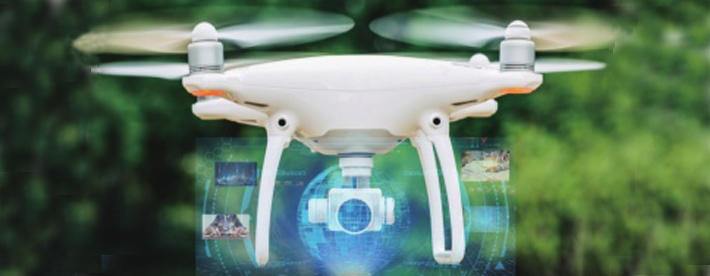
    विंटॉप ऑप्टिक्स अपने नए YT-1755P-F1 लेंस के लॉन्च की घोषणा करते हुए गर्व महसूस कर रहा है, जिसे ड्रोन और हवाई अनुप्रयोगों के लिए असाधारण इमेजिंग प्रदर्शन प्रदान करने के लिए डिज़ाइन किया गया है। उत्कृष्ट प्रकाश संचरण और स्थिरता के साथ एक कॉम्पैक्ट ऑप्टिकल डिज़ाइन का संयोजन, यह नया मॉडल हवाई निगरानी, ​​मानचित्रण और कम रोशनी वाली फोटोग्राफी के लिए छवि की स्पष्टता और विश्वसनीयता को बढ़ाता है। हवाई दृष्टि के लिए बेहतर ऑप्टिकल स्पष्टता YT-1755P-F1 ड्रोन लेंस 2.08 मिमी फ़ोकल लंबाई और F/1.1 का बड़ा अपर्चर, कम रोशनी वाले वातावरण में भी उत्कृष्ट प्रकाश-संग्रहण क्षमता प्रदान करता है। इससे ड्रोन ऊँचाई से और शाम या भोर के मिशनों के दौरान ज़्यादा स्पष्ट और विस्तृत तस्वीरें ले पाते हैं। 135° (विकर्ण) तक के दृश्य क्षेत्र (FOV) के साथ, यह लेंस एक अति-विस्तृत परिप्रेक्ष्य प्रदान करता है, जो हवाई निगरानी और भूदृश्य इमेजिंग के लिए आदर्श है। इसका उच्च संप्रेषण - 430-615 नैनोमीटर में 93% से अधिक - विविध प्रकाश स्थितियों में विशद रंग पुनरुत्पादन और सटीक कंट्रास्ट सुनिश्चित करता है। स्थिरता और पर्यावरणीय स्थायित्व के लिए अनुकूलित बाहरी उपयोग के लिए विकसित, YT-1755P-F1 लेंस -20°C से +70°C तक उत्कृष्ट छवि स्थिरता बनाए रखता है, जिससे यह विभिन्न जलवायु और उड़ान स्थितियों में अत्यधिक विश्वसनीय बनता है। लेंस की संरचना 2G5P + 1IR ऑप्टिकल संरचना को अपनाती है, जिसे विरूपण को कम करने और बेहतर दृश्यता और सटीकता के लिए इन्फ्रारेड प्रदर्शन को बढ़ाने के लिए डिज़ाइन किया गया है। इसका IP52 धूल-प्रतिरोधी डिजाइन आंतरिक प्रकाशिकी को नमी और वायुजनित कणों से बचाता है, तथा चुनौतीपूर्ण वातावरण में भी एकसमान छवि गुणवत्ता सुनिश्चित करता है। ड्रोन कैमरा सिस्टम के साथ व्यापक संगतता YT-1755P-F1 1/2.7", 1/2.8", और 1/3" सहित कई इमेज सेंसर प्रारूपों का समर्थन करता है, जो विभिन्न के साथ एकीकरण के लिए लचीलापन प्रदान करता है। ड्रोन कैमरा मॉड्यूलकम विरूपण के साथ (< −19% 1/2.8" के लिए), लेंस यथार्थवादी इमेजिंग और सटीक किनारे का विवरण सुनिश्चित करता है - जो मानचित्रण, भू-भाग पहचान और हवाई संचालन में वस्तु ट्रैकिंग के लिए महत्वपूर्ण है। व्यावसायिक हवाई इमेजिंग के लिए डिज़ाइन किया गया अपने उच्च प्रकाश संप्रेषण, चौड़े कोण और तापमान स्थिरता के कारण, YT-1755P-F1 निम्न के लिए आदर्श है: हवाई फोटोग्राफी और वीडियोग्राफी ड्रोन-आधारित निरीक्षण और मानचित्रण सुरक्षा और पर्यावरण निगरानी खोज और बचाव अभियान चाहे तेज धूप में उड़ान भर रहे हों या गोधूलि बेला में, YT-1755P-F1 सुनिश्चित करता है कि प्रत्येक फ्रेम स्पष्ट, सुसंगत और वास्तविक बना रहे। विंटॉप ऑप्टिक्स के बारे में परिशुद्ध ऑप्टिकल डिजाइन में 19 वर्षों से अधिक की विशेषज्ञता के साथ, विंटॉप ऑप्टिक्स ऑटोमोटिव, ड्रोन, निगरानी और औद्योगिक अनुप्रयोगों के लिए उन्नत लेंस विकसित करने में विशेषज्ञता। कंपनी उच्च-गुणवत्ता वाले, विश्वसनीय ऑप्टिकल समाधानों के साथ नवाचार जारी रखती है जो दुनिया भर में स्मार्ट विज़न सिस्टम को सशक्त बनाते हैं।
    Oct 31, 2025 समाचार

मदद की ज़रूरत है? हमारे साथ चैट करें

एक संदेश छोड़ें
जानकारी या तकनीकी सहायता के किसी भी अनुरोध के लिए फॉर्म भरें। तारांकन* से चिह्नित सभी फ़ील्ड आवश्यक हैं।
जमा करना

घर

उत्पादों

whatsApp

संपर्क